
When it comes to buying a used car, understanding how to evaluate your options is crucial. The used car market is vast, and with many factors to consider, it can be overwhelming for potential buyers. This comprehensive guide aims to provide you with essential insights into assessing pre-owned vehicles, ensuring you make informed decisions while shopping for a used car. Whether you’re looking for reliability, mileage, or specific features, this guide will help you navigate the process smoothly.
What Should You Look for in a Vehicle History Report?
A vehicle history report is one of the most important documents to obtain when considering used cars. It contains vital information about the car’s past, including previous ownership, accidents, and service records. This report can help you identify red flags that may indicate potential issues.
- Check for title status: Ensure the car has a clean title and no salvage history.
- Review accident history: Look for any reports of accidents or significant repairs.
- Service records: A well-documented history of maintenance can indicate a reliable used car.
How to Effectively Inspect a Used Car?
Before finalizing your purchase, it’s essential to thoroughly inspect the used vehicle. Inspection can reveal the condition of the car and highlight any hidden issues that may not be apparent during a test drive.
- Check for wear and tear: Look for signs of rust, scratches, and dents.
- Inspect the interior: Ensure that seats, electronics, and controls function correctly.
- Consult a trusted mechanic: Having a professional inspect the vehicle can provide peace of mind.
Why Is a Test Drive Important When Buying a Used Car?
Taking the car for a test drive is a critical step in the car-buying process. It allows you to assess how the vehicle handles and whether it meets your comfort and performance expectations.
- Pay attention to how the car drives: Listen for unusual noises and check the brakes and acceleration.
- Evaluate comfort: Ensure the seating position is comfortable and visibility is good.
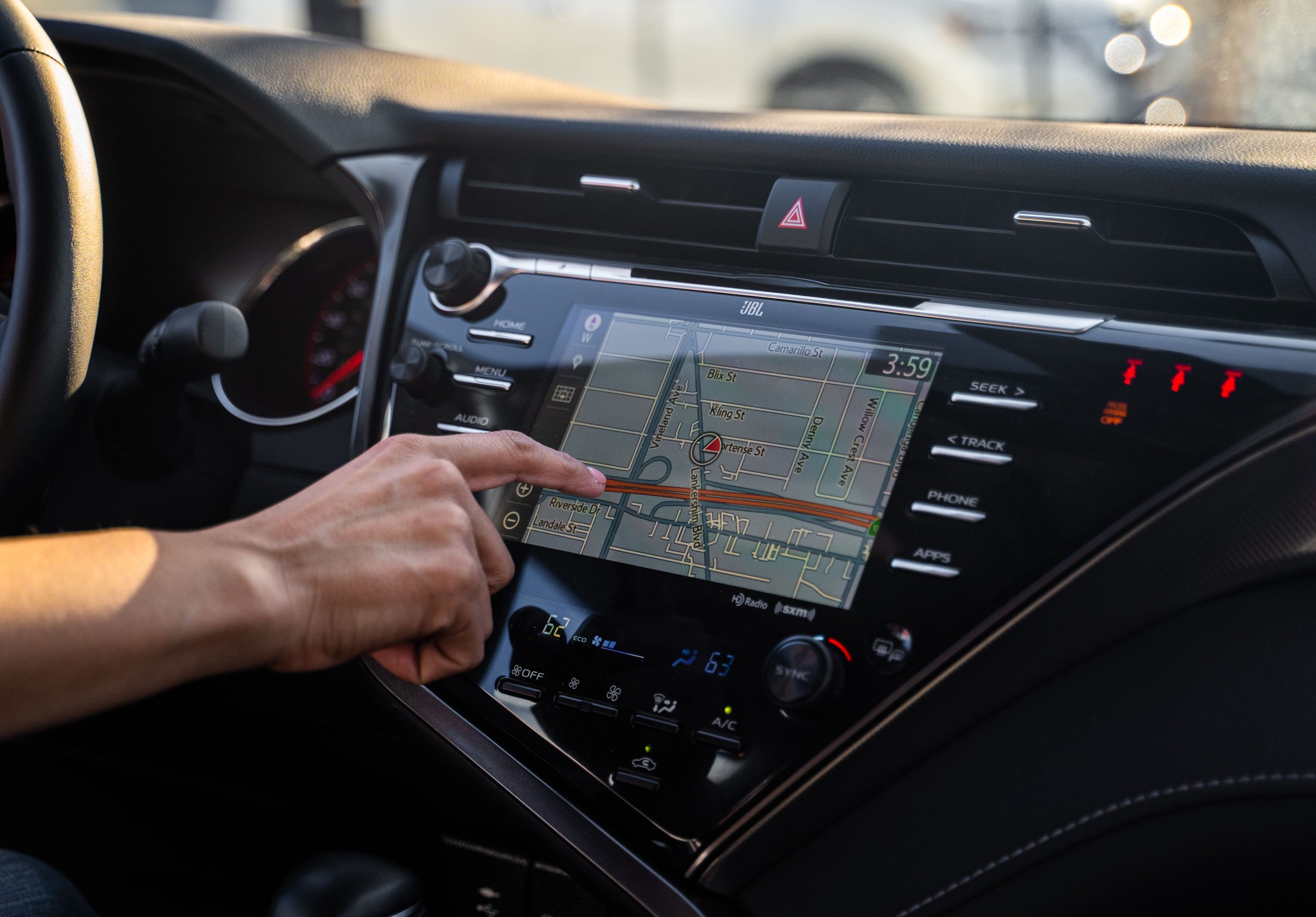
- Test features: Check the operation of safety features and infotainment systems during the drive.
What are the Key Factors to Consider Regarding Mileage?
Mileage is a significant factor when evaluating used cars. Lower mileage usually suggests less wear and tear, but it shouldn’t be the sole factor in your decision. Understanding how mileage impacts reliability and value is essential.
- Average mileage: The average annual mileage is about 12,000 to 15,000 miles. Consider this when evaluating potential purchases.
- High-mileage vehicles can remain dependable, especially if they’ve been well-maintained over time.
- Balance with age: Older cars with lower mileage might still have age-related issues.
How Does the Make and Model Affect Your Purchase Decision?
The make and model of a vehicle can significantly influence its reliability, resale value, and overall performance. Researching specific car models is vital to finding the best used car for your needs.
- Reputation for reliability: Some manufacturers are known for producing more reliable vehicles than others.
- Consumer reviews: Check online reviews and consumer reports to gauge the experiences of other buyers.
- Resale value: Some makes and models hold their value better than others, which can affect your long-term investment.
What Role Do Safety Features Play in Evaluating a Used Car?
Safety features are critical factors to consider when purchasing a used car. Modern vehicles come equipped with various safety technologies designed to protect drivers and passengers.
- Standard safety features: Look for features like airbags, anti-lock brakes, and stability control.
- Advanced safety technologies: Consider options like lane departure warnings, adaptive cruise control, and collision avoidance systems.
- Safety ratings: Research the vehicle’s safety ratings from organizations like the IIHS or NHTSA.
How Can a Warranty Influence Your Decision on a Used Vehicle?
Understanding the warranty options available for a used vehicle can significantly impact your purchasing decision. A warranty can provide peace of mind and financial protection against unexpected repairs.
- Certified pre-owned programs: Many dealerships offer certified pre-owned vehicles that come with extended warranties.
- Types of warranties: Familiarize yourself with the differences between powertrain and bumper-to-bumper warranties.
- Warranty transferability: Check if the warranty is transferable to the next owner, as this can affect resale value.
What Should You Know About the Used Car Market?
Having a good understanding of the used car market can help you make informed decisions and get a fair deal. Knowing current trends and prices will empower you during negotiations.
- Market trends: Research the demand for specific makes and models to gauge their market value.
- Pricing guides: Utilize resources like Kelley Blue Book or Edmunds to understand fair pricing for used cars.
- Seasonal fluctuations: Be aware that prices may vary based on the time of year, with certain seasons favoring buyers.
How to Narrow Down Your Options When Shopping for a Used Car?
Narrowing down your options can simplify the buying process and help you focus on the best available vehicles. Take into account your specific needs and budget when choosing a vehicle.
- Establish a budget: Determine how much you can afford, including financing and insurance costs.
- Identify needs: Consider your lifestyle and how you’ll use the vehicle—commuting, family trips, etc.
- Create a shortlist: Use your research to create a list of reliable used cars that fit your criteria.
What Financing Options Are Available for Used Car Purchases?
Understanding your financing options is crucial when purchasing a used car. Different dealerships and lenders offer various financing plans that can impact your overall cost.
- Dealership financing: Many dealerships provide financing options, but be sure to compare interest rates.
- Credit unions and banks: Consider getting pre-approved for a loan from a bank or credit union to secure better rates.
- Loan terms: Be mindful of the length of the loan, as longer terms may result in higher overall costs.
What Are the Key Takeaways When Buying a Used Car?
- Always obtain a vehicle history report to assess the car’s past.
- Thoroughly inspect and test drive the vehicle before making a decision.
- Evaluate key factors such as mileage, make and model, safety features, and available warranty options.
- Understand the current used car market to negotiate effectively.
- Refine your choices by focusing on vehicles that align with your budget and specific requirements.
- Explore various financing options to find the best deal.
In conclusion, evaluating used cars involves understanding multiple factors that can affect your decision. By following this comprehensive guide and considering aspects like vehicle history, inspection details, and financing options, you’ll be well-equipped to find the perfect used car for your needs. If you’re looking for reliable used cars, visit Maxdrive Auto Sales, a trusted used car dealership in Fort Myers, FL, to explore a variety of options and make a well-informed purchase.