
Advanced Driver Assistance Systems (ADAS) are a major selling point for modern cars, but buyers of pre-owned vehicles also need to know how engine technology, durability, and longevity contribute to long-term value. This post explains key ADAS safety features while tying them to how today’s engines and powertrains are built to last, improving fuel economy, reducing emissions, and keeping repair costs down for used car buyers.
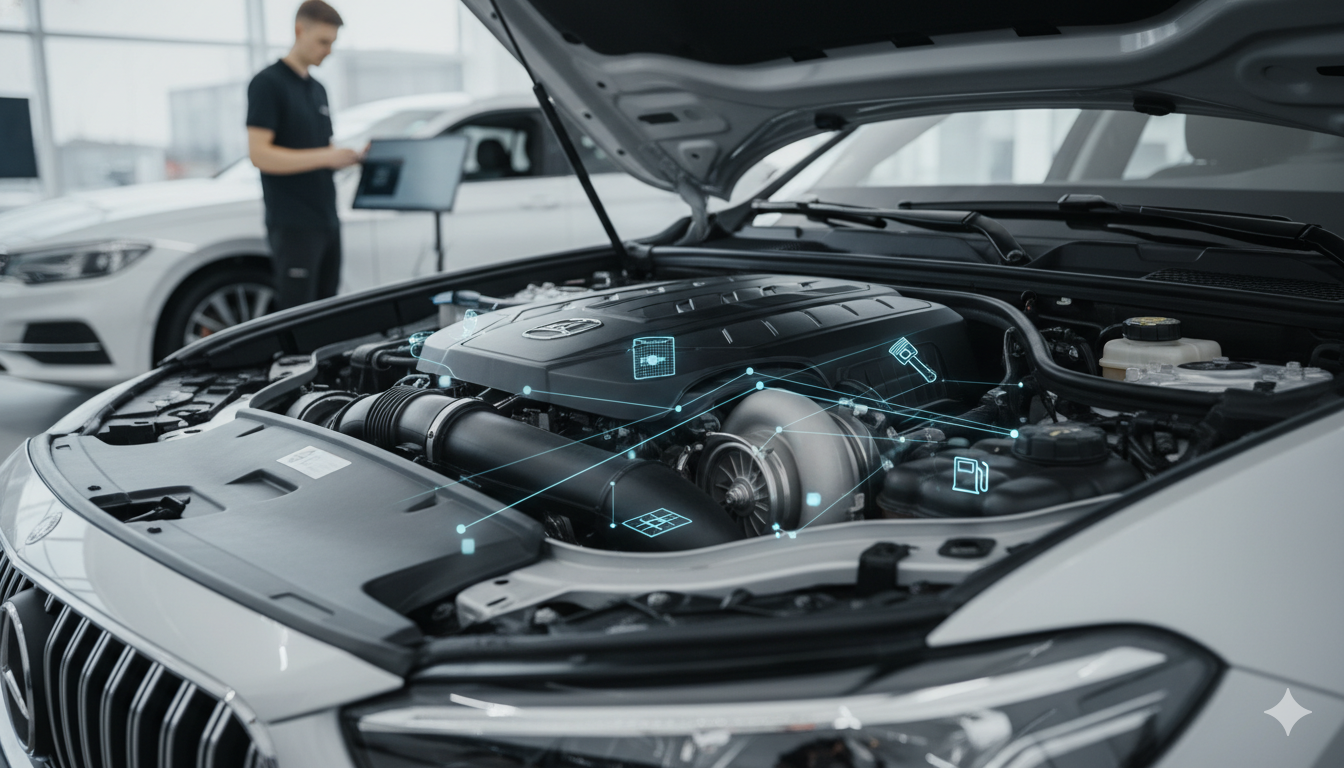
What ADAS features should I look for that reflect modern engine longevity?
When shopping for used cars, ADAS features like adaptive cruise control and lane-keep assist often indicate a vehicle with upgraded engine management and engine reliability. Automakers integrate electronic fuel injection and engine management systems with ADAS so the internal combustion engine runs more efficiently, improving fuel injection timing, reducing engine wear, and increasing lifespan.
Look for vehicles with documented maintenance of fuel injection systems, synthetic lubricants, and regular oil changes. These maintenance records often mean the cylinder, piston, and valve components experienced proper lubrication and lower engine wear, which helps the engine last longer and perform with consistent torque and horsepower.
How do modern engine designs reduce failure points in used cars?
Modern engine design focuses on reducing failure points by using improved materials for the engine block, head design, gaskets, and crankshaft bearings. Engines also incorporate precise injection control—direct injection or electronic fuel injection systems—that minimize carbon buildup on valves and pistons common in older engines and carburetor-era designs.
Automotive engineers design today’s engines with higher compression tolerances and refined camshaft profiles to balance power and fuel economy. This design reduces the likelihood of engine failure and extends engine life, making many modern car engines proven engine choices for used car buyers.
Do diesel engines and modern diesel technology make engines last longer?
Diesel engines are well-known for longevity, and modern diesel technology enhances that reputation. Improvements like better fuel injection, turbochargers, and advanced lubrication systems reduce engine wear and improve fuel efficiency. Modern diesel engines also benefit from stronger engine blocks and higher torque at lower rpm, which diminishes stress on engine parts.
However, diesel fuel systems require specific maintenance—injectors, diesel particulate filters, and fuel filters—so used car buyers should verify service history. When properly maintained, modern diesel powertrains can provide a long-lasting engine experience with excellent fuel economy and durability.
How does direct injection affect fuel economy and engine life?
Direct injection improves fuel economy and power by injecting fuel directly into the combustion chamber, enabling higher compression ratios and more precise fuel control. This results in improved horsepower and torque while reducing fuel consumption compared to older gasoline engine designs with carburetors or multipoint injection.
That said, direct injection can lead to carbon buildup on intake valves over time, which is a known engine wear issue. Regular maintenance and occasional intake cleaning help mitigate this. Buyers should check injector service records and watch for symptoms like rough idling or reduced fuel efficiency to ensure the engine remains a long-lasting engine option.
Are turbochargers and forced induction bad for engine lifespan?
Turbocharging and forced induction can increase power and fuel efficiency by allowing smaller engines to produce higher horsepower and torque. Modern turbochargers are engineered to be durable and, when paired with proper oil systems and cooling, do not necessarily shorten engine lifespan. In fact, turbocharged smaller engines can be more efficient and have excellent fuel economy when driven responsibly.
Maintenance is key: turbochargers rely on proper lubrication and timely oil changes with the right lubricant viscosity. Check for service records, listen for unusual turbo noises, and ensure the mechanic inspected the turbocharger and exhaust systems to confirm the turbocharger will not become a costly failure point later.
What engine maintenance practices preserve long-term reliability in pre-owned cars?
Routine maintenance preserves engine life and overall engine reliability. Essential practices include regular oil and filter changes with synthetic lubricants when specified, timely replacement of gaskets and timing components, and keeping the fuel injection and exhaust systems in good working order to meet emissions standards and maintain fuel efficiency.
Other practical checks: monitoring compression and checking for oil consumption, inspecting the camshaft and crankshaft for unusual wear, and ensuring the cooling system prevents overheating. These steps help car engines run smoothly and contribute to a long-lasting, proven engine for the buyer.
How do engine parts like pistons, valves and camshafts impact lifespan?
Pistons, valves and camshafts are critical to combustion and directly affect engine durability. Modern engines use improved materials and precision machining to reduce friction and wear. Higher compression ratios and variable valve timing enhance power and fuel economy while requiring robust valve and camshaft designs to avoid premature wear.
A well-maintained oil system and proper lubrication properties are essential to protect these parts. Buyers should look for evidence of regular service and low engine wear indicators; engines that have been maintained tend to offer long-term reliability and consistent performance over many miles on the original components.
Can smaller engines in modern cars outlast older engines?
Smaller engines paired with sophisticated fuel injection and turbocharging can be both powerful and efficient. Many modern cars use forced induction to enhance performance while reducing weight and improving fuel economy. When designed with durability in mind, smaller engines can match or exceed the lifespan of older, larger engines due to better materials, computerize engine management systems, and lower operating stresses at cruising speeds.
However, driving habits and maintenance matter. Smaller turbocharged engines may run at higher loads in spirited driving, so verifying how the previous owner used the car and confirming maintenance of the turbocharger, fuel injection, and lubricant changes is crucial for predicting long-term reliability.
What common failure points should used car buyers inspect related to engine life?
Common failure points include timing chain or belt wear, oil leaks from gaskets, injector problems, and clogged exhaust systems or diesel particulate filters in diesel engines. Compression loss due to worn piston rings or valve seating can also reduce engine life and fuel economy. A thorough inspection by a qualified mechanic can reveal these issues before purchase.
Checklist for buyers:
- Compression test results
- Evidence of injector and fuel injection system service
- Turbocharger inspection and exhaust system condition
- Oil change records showing proper synthetic lubricants
Any history of engine rebuilds or major repairs
How does engine management and computerized systems influence engine longevity?
Engine management systems and sophisticated injection control improve power and reduce emissions by optimizing combustion, timing, and fuel efficiency. Computerize controls allow for adaptive strategies that protect the engine—limiting boost, adjusting injection timing, and alerting drivers to potential issues—thus reducing long-term engine wear.
Modern cars with well-maintained engine management systems often provide better miles per gallon and lower emissions. For buyers, verifying that the onboard diagnostics show a clean record and that any dashboard warnings were addressed helps ensure the engine is in a condition to last longer.
How do I choose a used car with the best engine durability and lifespan?
Selecting a durable used car means prioritizing models with a proven engine track record, documented maintenance, and known reliability. Research specific engine variants (v6, v8, diesel engine options) and common long-term reliability reports. Engines with documented injector maintenance, proper compression, and consistent oil change history are more likely to be long-lasting.
Consider professional pre-purchase inspections, and ask sellers about fuel efficiency, turbochargers and superchargers, and any modifications. A car with OEM parts, an intact exhaust system, and service history for the fuel injection systems will often provide higher long-term reliability and better fuel economy.
Are there trade-offs between horsepower and lifespan in modern engines?
Higher horsepower can mean more stress on engine components, but modern engine designs balance power and longevity through materials, advanced lubrication, and engine management. Forced induction allows smaller engines to produce more power without the high internal stresses of older high-displacement gas engines, improving engine reliability when well maintained.
Buyers should weigh intended use: a high-performance tune may reduce lifespan if maintenance is neglected. Conversely, a stock turbocharged engine with proper service records can deliver a powerful and efficient driving experience with strong longevity.
Summary: Key takeaways for buyers researching pre-owned vehicles
Look for ADAS and engine management systems—these often indicate a well-engineered modern car with improved engine reliability.
- Verify maintenance history for fuel injection, oil changes, and turbocharger/exhaust care to reduce future repair risks.
- Modern diesel and turbocharged engines can last longer than older engines if properly maintained; check injector and DPF service.
- Direct injection improves fuel economy and power but watch for intake valve carbon buildup; request intake and injector service records.
- Smaller forced-induction engines can be durable and fuel-efficient, but proper lubrication and cooling are essential.
When buying a used car, prioritize models with documented engine life care—compression checks, injector service, verified gasket and timing work—and seek a full pre-purchase inspection to confirm the engine block, camshaft, crankshaft and related engine parts are in good condition. For buyers in southwest Florida, consider visiting Maxdrive Auto Sales, a Used Car Dealer in Fort Myers, FL, where knowledgeable staff can help you evaluate modern cars and their engine technology. They can explain diesel engine options, turbocharging effects on fuel economy, durability and lifespan, direct injection vs. gas injections, compression, and lubricant needs. Choosing a vehicle with a proven engine and good maintenance history ensures you get a long-lasting engine and the best automotive value from a used car dealer.