
In today’s fast-paced world, technology plays an essential role in the car-buying process. The rise of online platforms has transformed how car buyers research, shop, and ultimately purchase vehicles. Understanding the differences between online car buying and traditional in-person experiences can empower shoppers to make informed decisions. This blog post will explore the various aspects of modern car buying, especially focusing on online vs. in-person options.

What Are the Key Differences Between Online and In-Person Car Buying?
The primary difference between online and in-person car buying lies in the shopping experience. Online car buying allows shoppers to browse inventory from the comfort of their homes, while in-person experiences offer direct interaction with sales representatives at dealerships. Both methods have their pros and cons:
- Online Car Buying: Convenience, wider selection, and the ability to compare prices easily.
- In-Person Car Buying: Hands-on experience, immediate test drives, and personal negotiation.
Understanding these differences can help buyers choose the best path for their next car purchase.
How Does Online Car Buying Work?
Online car buying has become increasingly seamless due to digital tools and platforms. The process typically starts with research online, where buyers can explore various used cars, check prices, and read online reviews. Many dealerships now offer online platforms that allow shoppers to
- Configure their vehicle preferences.
- Apply for financing options through a secure credit application.
- Complete paperwork online to save time.
This streamlined approach empowers car buyers to start the buying process at their own pace, making informed decisions without the pressure of a dealership environment.
What Are the Pros and Cons of Buying a Car Online?
As with any method, online car buying comes with its pros and cons. Here are some key considerations:
- Pros:
- Convenience of shopping from home.
- Access to a broader inventory and numerous dealerships.
- Ability to read customer reviews and compare vehicles easily.
- Cons:
- Lack of personal interaction that some buyers prefer.
- No immediate test drive experience.
- Potential for longer delivery times depending on the dealership.
Understanding these factors can help buyers weigh their options effectively.
What Are the Advantages of Shopping In-Person at Dealerships?
Many car shoppers still prefer the traditional in-person experience for various reasons. Visiting a dealership allows buyers to:
- Test drive the vehicle before making a decision.
- Engage directly with sales representatives for personalized assistance.
- Negotiate in real-time, which can lead to better deals.
These advantages often enhance the overall customer experience and satisfaction, making in-person visits appealing for many buyers.
How Do Digital Tools Enhance the Car-Buying Experience?
The adoption of digital technology has revolutionized the way people shop for cars in today’s automotive retail landscape. Tools such as virtual showrooms, online financing calculators, and digital car-buying platforms enable consumers to
- Research vehicles thoroughly.
- Compare prices and features across multiple dealerships.
- Access customer data and reviews for informed decision-making.
This digital transformation provides a more efficient and satisfying shopping experience for prospective vehicle buyers.
Is It Possible to Negotiate When Buying a Car Online?
Negotiation is often a concern for buyers looking at online purchasing options. However, many dealerships have adapted their processes to include negotiation features within their online platforms. Buyers can:
- Submit offers directly through the website.
- Reach out to dealers through chat or email to negotiate pricing and gather details.
- Utilize online tools to understand fair market values.
This level of flexibility makes it possible to engage in real-time negotiations, even when buying a car online.
What Should You Expect During an In-Person Visit to a Dealership?
When heading to the dealership, buyers can anticipate various steps in the car-buying process. A typical visit might involve:
- Connecting with a sales representative to explore available inventory and share your preferences.
- Taking a test drive of the selected vehicle.
- Actively participating in price discussions and evaluating trade-in offers.
This hands-on approach creates a different atmosphere compared to online experiences, making it an essential aspect of the car-buying journey for many.
How Can Car Buyers Save Time When Shopping for a Vehicle?
Time often plays a key role in the decision-making process for car buyers. Whether buying online or in person, there are ways to streamline the buying journey:
- Conduct thorough online research before visiting a dealership.
- Pre-qualify for auto loans to expedite the financing process.
- Utilize online tools for configuring and comparing vehicles.
These steps can significantly reduce time spent at the dealership, making the process more efficient.
What Role Do Online Reviews Play in the Car Buying Process?
Online reviews are invaluable for modern car buyers. They provide insights into:
- Vehicle reliability and performance.
- Customer experiences with specific dealerships.
- Overall satisfaction with the car-buying process.
Utilizing online reviews helps buyers make smarter, more informed choices that match their preferences and requirements.
What Are the Future Trends in Automotive Retail?
The automotive industry is constantly changing, driven by advancements in technology and shifting consumer demands. Future trends may include:
- Increased adoption of digital car-buying platforms.
- Expansion of virtual test drive experiences.
- Enhanced integration of customer data for personalized shopping experiences.
As these trends develop, they will likely shape the car-buying process for years to come.
How Can Buyers Make Informed Decisions in the Car-Buying Journey?
To ensure a positive car buying experience, buyers should focus on
- Conducting comprehensive online research.
- Understanding the pros and cons of different buying methods.
- Preparing questions for dealership visits to clarify any uncertainties.
This preparation empowers buyers to navigate the car-buying process confidently.
- Key Takeaways:
- Technology significantly impacts the car-buying experience, offering both online and in-person options.
- Understanding the pros and cons of each method helps buyers make informed decisions.
- Digital tools enhance the shopping experience, making it more efficient.
- Online reviews and thorough research are crucial for a successful purchase process.
In conclusion, whether you choose to buy a car online or visit a dealership in person, each option offers unique advantages. At Maxdrive Auto Sales, a used car dealer in Fort Myers, FL, we strive to provide a seamless car-buying experience that caters to all preferences. From online tools to personalized in-store service, we are here to support car shoppers in navigating the car-buying process effectively.
The used car industry is evolving rapidly in 2025, driven by a surge in electric vehicle adoption, smarter digital tools, and shifting consumer values. Buyers today are better informed, more eco-conscious, and increasingly comfortable shopping online. Dealerships that keep pace with these changes are thriving, while others risk being left behind.
This article breaks down the biggest trends shaping the used car market in 2025. From AI-powered buying experiences to price fluctuations and supply chain effects, we uncover what matters most for buyers and dealerships alike.
Keep reading to explore how these trends affect your next car purchase and how to stay ahead in this dynamic market.
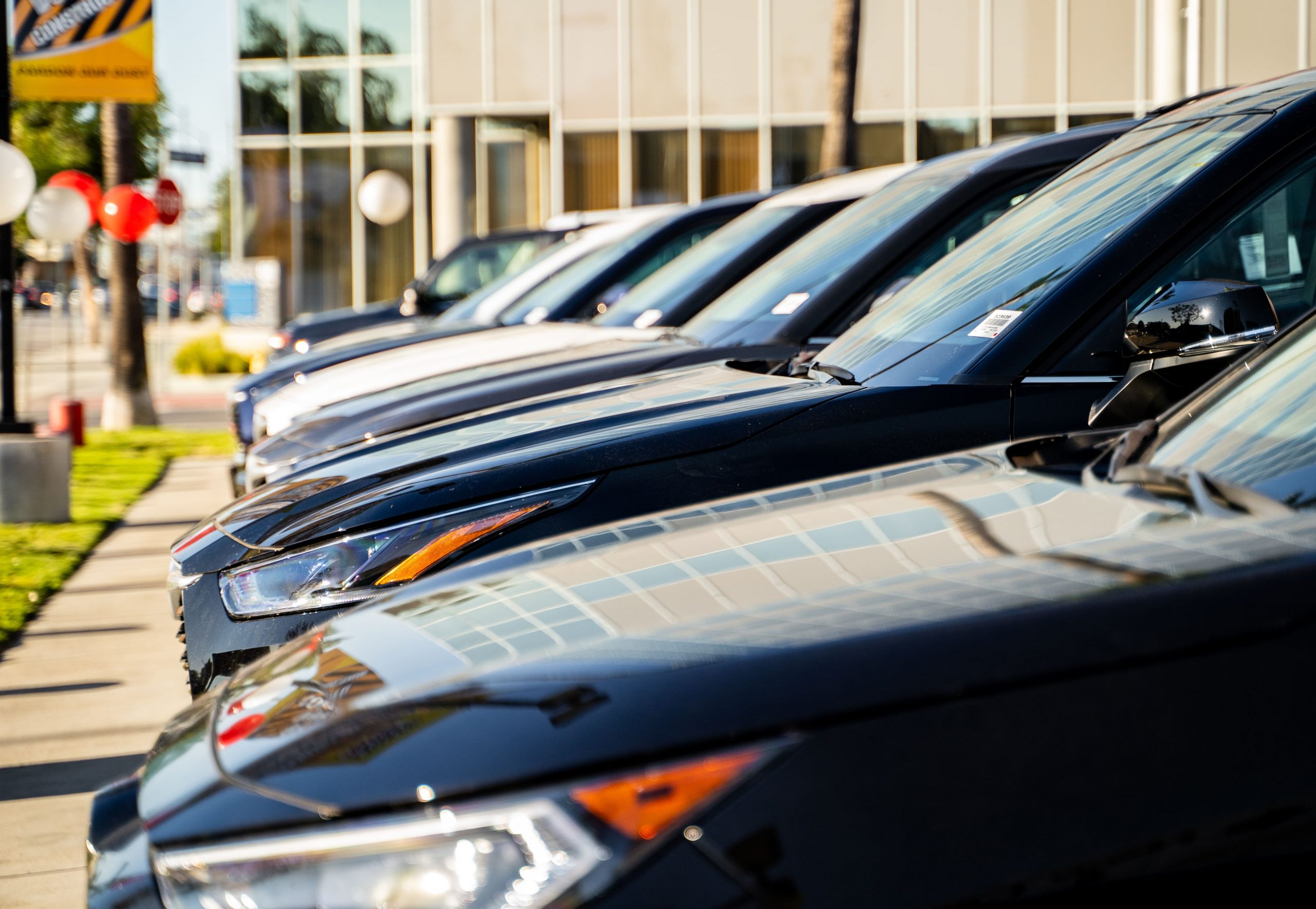
What Are the Key Market Trends in the Used Car Market for 2025?
How Will Changing Consumer Preferences Affect the Used Car Market?
As we look ahead to 2025, changing consumer preferences will undoubtedly play a pivotal role in shaping the used car market. Millennials and Gen Z, who prioritize sustainability and technology, are increasingly driving demand for fuel-efficient and electric vehicles. This demographic shift indicates a significant transition towards environmentally friendly options, thus influencing the types of used vehicles that will be in high demand. Analysts predict that consumers will prefer pre-owned electric and hybrid cars due to their lower environmental impact and rising fuel costs. As a result, dealerships will need to adapt their inventories to reflect these preferences, focusing on stocking models that meet the expectations of eco-conscious shoppers.
What Role Will Dealerships Play in the Future of Used Cars?
Dealerships will continue to play a crucial role in the future of the used car market, albeit with a transformed approach. As online car buying platforms, like Carvana, gain traction, traditional dealerships must embrace digital marketing strategies to remain competitive. Dealerships will likely integrate real-time market data into their inventory management systems to optimize their offerings. This adaptation will allow them to provide a seamless car shopping experience that caters to the evolving preferences of consumers. Furthermore, dealerships will need to enhance their customer service offerings, providing peace of mind through warranties and vehicle history reports, which are becoming increasingly important to informed used car shoppers.
What Are the Expected Price Trends for Used Cars in 2025?
Forecasts indicate that used car prices will experience fluctuations in the coming years. As demand for used vehicles continues to rise, particularly with the increased demand for fuel-efficient and electric models, we can expect prices to remain elevated. This 2025, the average price of used cars may reflect the scarcity of certain models and the economic impacts of supply chain disruptions experienced by the automotive industry in recent years. Moreover, the influx of electric vehicles into the market may lead to a bifurcation in prices, where traditional gas-powered cars might depreciate faster than their electric counterparts. This will create both challenges and opportunities for consumers and dealerships alike as they navigate the new market dynamics.
How Will Electric Vehicles (EVs) Influence the Used Car Market?
What Is the Impact of Increased Demand for EVs on Used Car Prices?
The surge in consumer demand for electric vehicles (EVs) is expected to have a profound impact on used car prices by 2025. As more individuals are drawn to the cost savings associated with EV ownership, the resale market for these vehicles will likely witness a significant upswing. This increased demand for electric cars will not only elevate the prices of used EVs but also influence the depreciation rates of traditional combustion engine vehicles. Consumers will find that used EVs retain their value better than their gas-powered counterparts, making them an attractive option for those looking to minimize their total cost of ownership.
How Are Hybrid Vehicles Changing the Landscape of the Used Car Market?
Hybrid vehicles are also playing a critical role in reshaping the used car market. As consumers increasingly seek out fuel-efficient options, hybrids offer a compelling alternative that combines the benefits of electric and traditional engines. The growing availability of charging stations and advancements in battery technology are making hybrids more appealing, which is reflected in their rising popularity. This trend is likely to continue, creating a robust secondary market for hybrid vehicles. Consumers will increasingly view hybrids as viable options for sustainable transportation, further influencing purchasing decisions in the used car market.
What Trends Should Consumers Watch for in the EV Market by 2025?
In the EV market, several trends are poised to emerge by 2025. First, consumers should anticipate a broader array of electric models from various automakers, including options that cater to different price points and preferences. The introduction of more affordable electric vehicles will likely attract a wider customer base. Furthermore, advancements in technology will enhance the driving experience, with features such as adaptive cruise control and improved battery range becoming standard in many models. As the infrastructure for EVs continues to develop, including the expansion of charging stations, consumers will find greater convenience in owning electric cars, ultimately influencing their decisions in the used car market.
How Is Artificial Intelligence (AI) Shaping the Future of Car Buying?
What Are the Benefits of Using AI in Online Car Purchases?
Artificial intelligence is revolutionizing the car buying experience, particularly through online platforms. By leveraging AI, consumers can benefit from personalized recommendations that match their preferences and requirements. This technology analyzes consumer behavior and preferences, streamlining the process of finding the right used vehicle. Moreover, AI-driven chatbots can provide real-time assistance, answering queries and guiding shoppers through the purchasing process. This seamless integration of AI in online car purchases enhances user experience and fosters greater confidence in consumers as they navigate the complexities of the used car market.
How Will AI Optimize the Marketing Efforts for Dealerships?
Dealerships are also set to benefit from AI through optimized marketing strategies. By utilizing data analytics, dealerships can gain insights into consumer demand and market trends, allowing them to tailor their marketing efforts effectively. AI can help dealerships identify potential buyers based on historical data and target them with personalized advertisements, increasing the likelihood of successful car sales. Furthermore, AI can enhance inventory management by predicting which vehicles are likely to sell and at what price. This level of optimization ensures that dealerships can meet consumer demand while maximizing profitability.
What Innovations in AI Should We Expect in the Automotive Industry?
As we approach 2025, we can expect several innovations in AI within the automotive industry. These innovations will likely include advanced predictive analytics that can forecast market trends and consumer behavior more accurately. Additionally, AI-powered virtual reality experiences may emerge, allowing consumers to engage in immersive car shopping experiences from the comfort of their homes. Furthermore, innovations in AI will enhance the functionality of self-driving cars, paving the way for safer and more efficient transportation. As these technologies continue to evolve, they will reshape the landscape of the automotive industry and the used car market.
What Are the Major Disruptions Expected in the Automotive Industry by 2025?
How Will Supply Chain Issues Affect the Used Car Market?
Supply chain issues have already caused significant disruptions in the automotive industry, and these challenges are expected to persist through 2025. The ongoing effects of the COVID-19 pandemic, coupled with geopolitical tensions and raw material shortages, have led to production delays for new vehicles. Consequently, this scarcity has driven up demand for used cars, resulting in inflated prices. As supply chain disruptions continue, consumers may find it increasingly challenging to secure the used vehicles they desire, further complicating their car buying journey. Dealerships will need to navigate these issues carefully, adapting their strategies to meet the evolving market demands.
What Is the Future of Online Car Shopping?
The future of online car shopping looks promising as technological advancements reshape the automotive landscape. By 2025, we can expect a more integrated online experience that combines convenience with comprehensive information about vehicles. Online car buying platforms will enhance their offerings, providing detailed vehicle histories, customer reviews, and transparent pricing structures. This evolution will empower consumers to make informed decisions, fostering trust in the online car purchasing process. As virtual showrooms and augmented reality tools become more prevalent, the barriers to online car shopping will diminish, making it a preferred method for many shoppers.
How Are Self-Driving Cars Expected to Impact the Used Car Market?
Self-driving cars represent a significant disruption poised to impact the used car market by 2025. As advancements in autonomous vehicle technology progress, consumers may begin to view traditional vehicles differently, leading to shifts in demand. The introduction of self-driving cars could redefine ownership models, with an increase in leasing options and shared mobility services. This transformation may decrease the demand for personal vehicle ownership, thereby affecting the resale value of conventional used cars. As self-driving technology becomes more mainstream, consumers will have to reevaluate their preferences and needs in the context of an evolving automotive landscape.
What Should Consumers Consider When Shopping for Used Cars in 2025?
How Can Shoppers Prepare for Changes in Car Prices?
In 2025, consumers should prepare for potential fluctuations in used car prices. Understanding market trends and the factors driving demand will be essential for shoppers. It is prudent for consumers to monitor price trends and stay informed about the availability of electric and hybrid vehicles, as these models may appreciate in value compared to traditional cars. Additionally, shoppers should consider the timing of their purchases, as prices may vary based on seasonal demand and inventory levels. By being proactive and informed, consumers can make more strategic choices that align with their budgeting and transportation needs.
What Are the Best Practices for Buying Used Vehicles?
When shopping for used vehicles in 2025, consumers should adhere to several best practices to ensure a successful purchase. First and foremost, conducting thorough research is vital, including checking vehicle history reports and seeking out customer reviews. Shoppers should also consider obtaining pre-purchase inspections to assess the vehicle’s condition. Furthermore, negotiating prices based on real-time market data can empower consumers to secure better deals. Lastly, considering financing options and understanding the total cost of ownership, including insurance and maintenance, will provide a comprehensive perspective on the investment.
How Will Digital Marketing Efforts Change the Car Buying Experience?
Digital marketing efforts are expected to transform the car buying experience significantly by 2025. As dealerships invest in innovative marketing strategies, consumers will encounter more personalized advertisements tailored to their preferences. This shift will make the car shopping experience more engaging and relevant. Additionally, the integration of social media and influencer marketing will play a crucial role in shaping consumer perceptions of used vehicles. As virtual test drives and interactive content become more commonplace, shoppers will enjoy a richer and more informed buying experience, ultimately leading to more confident purchasing decisions.
Final Thoughts
The used car market in 2025 is defined by transformation. Electric and hybrid vehicles are no longer niche, AI is elevating the online car shopping experience, and buyers are demanding more transparency and value than ever before. Dealerships that understand and respond to these changes are setting themselves apart by offering smarter inventory, personalized service, and trustworthy options.
If you’re in the market for a used car, now is the perfect time to explore your options. Be sure to choose a dealership that understands today’s market and prioritizes your needs. Whether you’re eyeing an electric vehicle or a reliable hybrid, a reputable dealership can guide you toward a purchase that balances performance, value, and peace of mind.
For a seamless, trustworthy, and future-ready used car buying experience, turn to Maxdrive Auto Sales. With a commitment to quality vehicles, transparent pricing, and customer satisfaction, Maxdrive Auto Sales is your reliable partner in this new era of car buying. Whether you’re shopping online or in person, their team is ready to help you find the perfect car for your lifestyle and budget.
Buying a used car is one of the smartest ways to save money while still getting a reliable vehicle that suits your lifestyle. But with so many options and variables involved—like budgeting, vehicle condition, financing, and negotiations—it’s important to make informed decisions to avoid costly mistakes. The good news? With the right strategies and a bit of preparation, you can drive away with a great deal and peace of mind.
In this guide, we’ll walk you through the smartest ways to save on your next used car purchase, from checking your credit score to negotiating like a pro and understanding loan options. Whether you’re a first-time buyer or upgrading to a better ride, these tips will help you avoid common pitfalls and get the most value for your money. Keep reading to learn how to buy smarter, save bigger, and drive with confidence
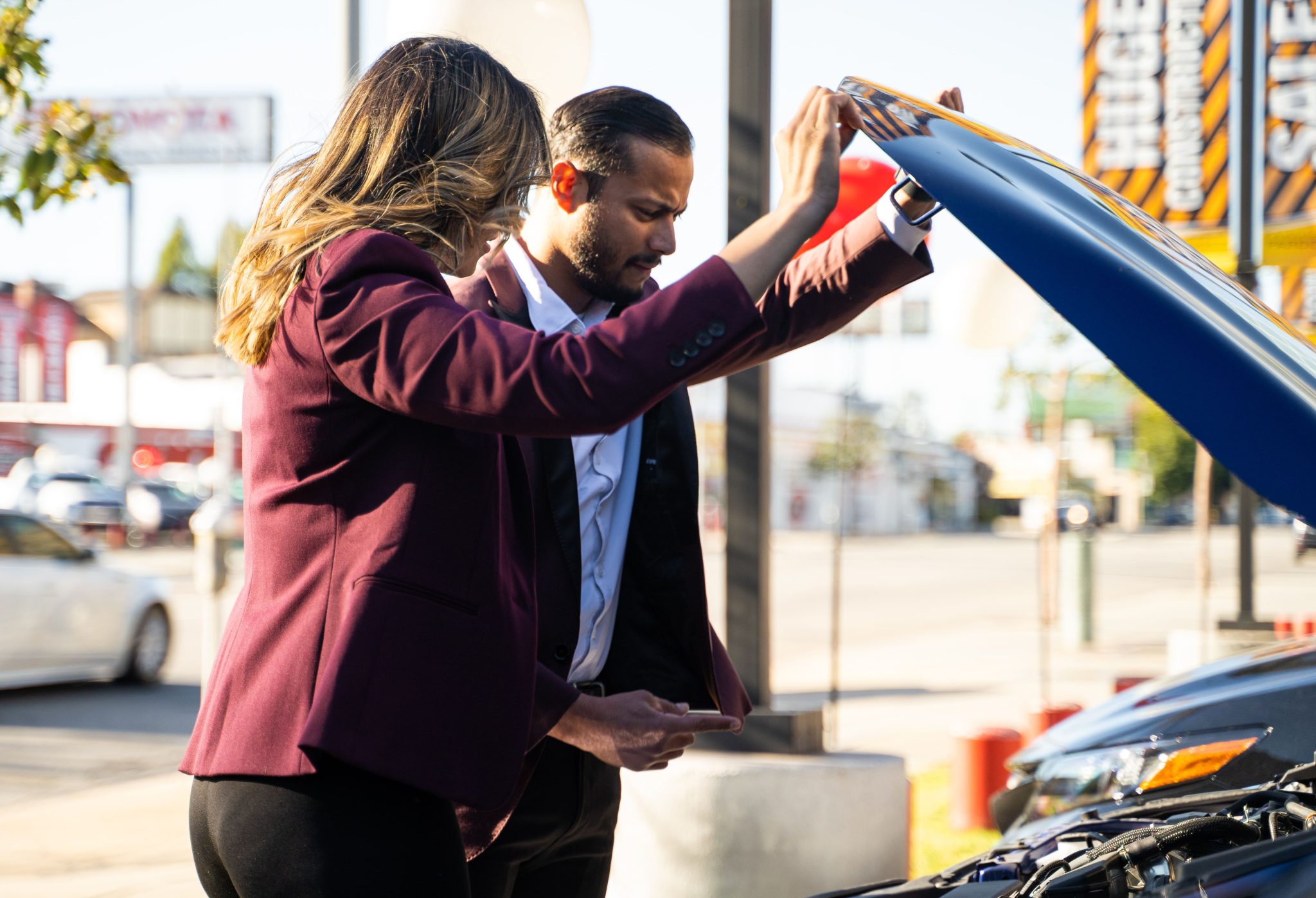
How to Buy a Used Car Wisely?
What to Look for When Buying a Used Vehicle?
When you decide to buy a used car, it is imperative to thoroughly inspect the vehicle to ensure you are making a wise investment. Look for signs of wear and tear, such as rust, dents, and the condition of the tires. Additionally, it is wise to inspect the interior for any damage, as well as ensuring that the electronics and features are functioning correctly. If possible, consider opting for a certified pre-owned vehicle, which often comes with warranties and has undergone rigorous inspections. This can provide additional peace of mind regarding the reliability of the car.
How Can You Maximize Your Budget for a Used Car?
Maximizing your budget for a used car requires strategic planning and a clear understanding of your financial situation. Start by determining how much you can afford to spend, factoring in potential insurance costs, repair costs, and ongoing maintenance. Before you begin shopping, check your credit score, as this will influence your financing options and interest rates. By shopping around and comparing prices from various dealerships and private sellers, you can find better deals that fit within your budget. Additionally, consider negotiating the price with the seller, as many are willing to lower their asking price to facilitate a sale.
What Are the Best Places to Find Quality Used Cars for Sale?
Finding quality used cars for sale can be achieved through various channels. Online platforms such as Edmunds and CarGurus provide extensive listings and customer reviews, enabling you to evaluate potential purchases easily. Local dealerships often offer used vehicles with warranties, while private sellers may provide lower prices. It is advisable to visit multiple dealerships and utilize online tools to compare inventory and prices. Engaging with trusted mechanics can also offer insights into the reliability and condition of specific used vehicles, ensuring you make informed decisions regarding your next car purchase.
How to Check Your Credit Score Before Financing a Used Car?
Why Is Your Credit Score Important for Car Purchase?
Your credit score plays a crucial role in the car-buying process, particularly when it comes to financing a used car. Lenders use your credit score to assess your creditworthiness, which influences the interest rate you may receive on your auto loan. A higher credit score typically results in lower monthly payments and better financing terms, allowing you to save money in the long run. Conversely, a lower credit score may restrict your financing options and lead to higher interest rates, ultimately increasing the overall cost of your car purchase.
How Can You Improve Your Credit Score Before Buying?
Improving your credit score before making a used car purchase can significantly enhance your financing options. Start by reviewing your credit report for any discrepancies or errors that could negatively affect your score. Pay down existing debt, particularly high credit card balances, to lower your credit utilization ratio. Making timely payments on your bills and reducing your overall credit inquiries can also positively impact your score. If time permits, consider delaying your purchase until your credit score improves, allowing you to secure more favorable financing terms.
What Financing Options Are Available for Different Credit Scores?
Financing options vary significantly based on your credit score. Those with excellent credit may qualify for dealership financing with lower interest rates and favorable loan terms. Conversely, buyers with poor credit may need to explore alternative financing options, such as credit unions or subprime lenders, which may offer higher interest rates but more lenient approval processes. It is essential to shop around for the best financing options available to you, as this can directly influence your monthly payments and overall budget for your next car purchase.
What Is the Importance of a Vehicle History Report?
What Information Is Included in a Vehicle History Report?
A vehicle history report is an indispensable tool when purchasing a used vehicle. This report provides vital information about the car’s past, including any accidents, title issues, and maintenance records. It also includes details about the vehicle’s ownership history, which can help assess its reliability and potential resale value. Ensuring the car has a clean history can prevent costly surprises down the road, making it a critical element of the car-buying process.
How Can a Vehicle History Report Help You Negotiate?
Having a vehicle history report can empower you during negotiations. If the report reveals any issues, such as previous accidents or extensive repairs, you can leverage this information to negotiate a lower price. Conversely, if the report indicates a well-maintained vehicle with a clean history, you may use this to justify a higher offer, particularly if the car has a strong resale value. Understanding the vehicle’s history equips you with the knowledge necessary to negotiate effectively, ensuring you secure the best possible deal.
Where to Obtain a Reliable Vehicle History Report?
Reliable vehicle history reports can be obtained from several credible sources. Websites such as Carfax and AutoCheck offer comprehensive reports for a fee, providing detailed insights into a vehicle’s past. It is advisable to request a report before completing a purchase to ensure that you are fully informed. Many dealerships also provide free vehicle history reports for their inventory, allowing you to assess the condition of the cars they are selling without incurring additional costs.
How to Negotiate the Best Price on Your Next Car Purchase?
What Strategies Can You Use to Negotiate Effectively?
Negotiating the best price on your next car purchase requires confidence and preparation. Start by conducting research on the market value of the used car you are interested in, utilizing online tools to determine fair pricing. When you arrive at the dealership, be prepared to make a reasonable offer based on your research. Stay calm and assertive during negotiations and be willing to walk away if the price does not meet your budget. Additionally, consider negotiating other aspects of the deal, such as warranties and financing terms, to maximize your overall savings.
How to Determine the Market Value of a Used Car?
Determining the market value of a used car involves researching comparable vehicles in your area. Websites like Kelley Blue Book and Edmunds allow you to input specific details about the car, such as make, model, and year, to receive an estimated market value. Comparing listings from various dealerships and private sellers can further inform your understanding of the car’s worth. This knowledge will empower you during negotiations, ensuring you do not overpay for your next car purchase.
When Is the Best Time to Negotiate a Deal at a Dealership?
The timing of your car purchase can significantly affect your negotiating power. Consider shopping at the end of the month or quarter when dealerships are keen to meet sales targets, often resulting in better deals. Additionally, purchasing a vehicle during off-peak seasons, such as the winter months, can lead to lower prices due to decreased demand. By being strategic about when you negotiate, you can increase your chances of receiving a favorable offer.
How to Make Informed Decisions on Financing Options?
What Are the Different Types of Auto Loans for Used Cars?
When it comes to financing a used car, there are various options available. Traditional auto loans from banks or credit unions are common, offering fixed or variable interest rates based on your creditworthiness. Dealership financing can also be an option, though it may come with higher interest rates. Additionally, some buyers may consider peer-to-peer lending platforms as an alternative financing source. Each option has its pros and cons, making it crucial to evaluate which best aligns with your financial situation.
How to Compare Interest Rates from Different Lenders?
Comparing interest rates from different lenders is essential to secure the best financing deal. Start by obtaining pre-approval from multiple lenders, which will provide you with a clearer picture of available interest rates and loan terms. When comparing, pay attention to not only the interest rates but also any hidden fees associated with the loans, as these can significantly impact on your overall costs. Utilize online calculators to assess how different interest rates will affect your monthly payments, allowing you to make informed decisions.
What Should You Know About Loan Terms and Monthly Payments?
Understanding loan terms is critical when financing a used car. Loan terms typically range from 36 to 72 months, with longer terms resulting in lower monthly payments but potentially higher overall interest costs. It is vital to ensure that your monthly payments fit comfortably within your budget. Consider the total cost of the loan over its term, including interest, to determine the most financially sound option. Making informed decisions regarding loan terms can help you avoid financial strain and ensure you are making a smart investment in your next vehicle.
Final Thoughts: Drive Smart, Spend Less
Buying a used car doesn’t have to be a stressful or expensive experience. With the right preparation—knowing how to inspect a vehicle, understanding your financing options, checking your credit, and negotiating strategically—you can make a smart, budget-friendly purchase that meets your needs. From checking the vehicle’s history to comparing loan offers and timing your deal right, every step you take toward being an informed buyer brings you closer to serious savings.
Ready to put these tips into action and get a great deal on a quality used vehicle? Visit Maxdrive Auto Sales — your trusted destination for affordable, reliable used cars and exceptional customer service.
Luxury doesn’t have to come with an extravagant price tag. The market for used luxury cars has grown exponentially, giving buyers the opportunity to own high-end vehicles with premium features without the hefty cost of buying new. Whether you’re drawn to sleek sedans, powerful SUVs, or feature-packed interiors, pre-owned luxury cars offer incredible value, blending sophistication with smart savings.
In this guide, we’ll take you through the best used luxury cars available, key factors to consider when purchasing, financing options, and how to get the most value from your investment. If you’re ready to experience luxury for less, keep reading to find the perfect vehicle that fits your style and budget.
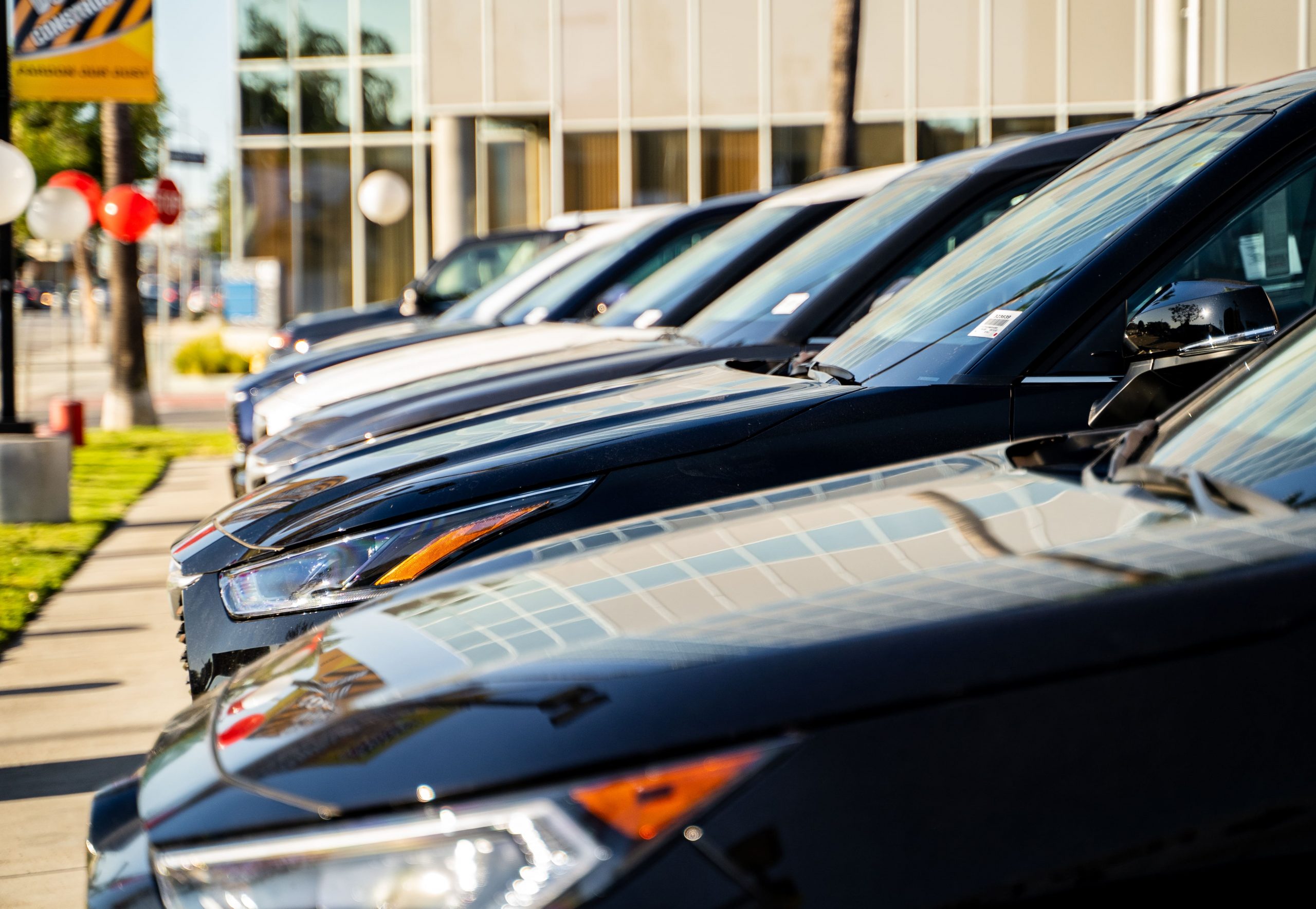
What Are the Best Used Luxury Cars Available?
Top Picks for Pre-Owned Luxury Vehicles
When it comes to selecting the best used luxury cars available, several models consistently stand out for their performance, style, and reliability. Brands like Lexus, Audi, BMW, and Mercedes-Benz offer a range of options that cater to diverse preferences. For instance, the Lexus ES is known for its smooth ride and upscale interior, making it one of the best used luxury sedans on the market. The Audi A3, with its sporty design and advanced infotainment system, appeals to younger shoppers seeking a blend of style and technology. For those who prefer a more spacious option, luxury SUVs like the BMW X5 and Mercedes-Benz GLE provide ample cargo space and comfort, making them ideal for families. Each of these pre-owned vehicles boasts a unique set of features, allowing buyers to find the perfect match for their needs.
Luxury Sedans vs. SUVs: Which is Best for You?
The choice between a luxury sedan and an SUV ultimately depends on personal preferences and lifestyle requirements. Luxury sedans, such as the Acura TLX and Volvo S60, are often favored for their sleek designs and exceptional fuel economy, making them excellent choices for urban driving. They typically offer a more engaging driving experience with agile handling and sporty performance features. On the other hand, luxury SUVs, like the Mercedes-Benz GLC and Audi Q5, provide spacious interiors and elevated driving positions, which enhance visibility and comfort. These vehicles are often equipped with safety features such as adaptive cruise control and advanced driver assistance systems, making them suitable for families and long-distance travelers. Therefore, potential buyers should assess their individual needs before making a decision.
Understanding the Price Range of Used Luxury Cars
The price range for used luxury cars varies significantly based on factors such as the make, model, year, and condition of the vehicle. Generally, buyers can expect to pay anywhere from $20,000 to $60,000 for high-quality pre-owned luxury vehicles. For example, a 2021 BMW X3 may fall within the $35,000 to $45,000 range, while a 2022 Audi A4 might be priced between $30,000 and $50,000, depending on its mileage and features. It is essential for shoppers to understand that the price does not include additional costs such as taxes, fees, and potential dealership charges. By conducting thorough research and exploring various dealerships and online platforms, buyers can identify the best used luxury cars for sale within their budget.
How to Find the Best Used Luxury Vehicles for Sale?
Tips for Browsing at Dealerships and Online
Finding the best used luxury vehicles for sale requires a strategic approach. Start by browsing both local dealerships and online marketplaces to compare prices and inventory. Websites dedicated to selling used cars often provide filters to help shoppers narrow down their options based on make, model, year, and price. When visiting a dealership, it is advisable to take the time to inspect the car inventory thoroughly and test drive multiple vehicles to get a feel for their performance and comfort levels. Engaging with sales representatives can also yield valuable insights into the history and features of specific models, allowing buyers to make informed decisions.
How to Evaluate a Pre-Owned Luxury Vehicle
Evaluating a pre-owned luxury vehicle involves a comprehensive examination of both its mechanical condition and aesthetic appeal. Buyers should conduct a thorough inspection of the vehicle’s exterior and interior, checking for signs of wear and tear, paint imperfections, and the functionality of features such as the infotainment system, climate control, and safety features. Additionally, obtaining a vehicle history report can reveal essential information regarding previous accidents, service records, and ownership history. A trusted mechanic’s inspection is also recommended to assess the vehicle’s overall condition and identify any potential issues that may arise after purchase.
What to Look for in a Used Luxury Car Dealer
Choosing the right dealer can significantly impact the overall buying experience. When selecting a used luxury car dealer, it is crucial to prioritize those with a solid reputation and positive customer reviews. A reputable dealer should offer a transparent buying process, providing comprehensive information about the vehicles for sale and their histories. Look for dealers that provide warranties or certified pre-owned options, as these can add an extra layer of security and peace of mind. Additionally, a dealer that offers flexible financing options can make the purchasing process more manageable for buyers.
What Should You Consider When Financing a Used Luxury Car?
Best Financing Options for Pre-Owned Luxury Vehicles
Financing a used luxury car can be straightforward if buyers understand the available options. Traditional bank loans, credit unions, and dealership financing are common routes. Many dealerships offer competitive financing packages that can cater to various credit scores, allowing shoppers to secure favorable terms for their auto loans. It is essential to compare interest rates and loan terms to ensure the best deal. Online calculators can assist potential buyers in estimating monthly payments based on different loan amounts and interest rates, providing a clearer picture of what they can afford.
How to Improve Your Auto Loan Approval Chances
Improving the chances of getting approved for an auto loan involves several proactive steps. Firstly, maintaining a good credit score is vital, as lenders typically assess creditworthiness before approving loans. Prospective buyers should also consider reducing existing debts to improve their debt-to-income ratio, which can positively influence loan approval outcomes. Additionally, saving for a larger down payment can reduce the loan amount needed and enhance the likelihood of getting favorable financing terms. Finally, it is wise to obtain pre-approval for an auto loan, as it gives buyers a better understanding of their budget and strengthens their bargaining position at the dealership.
Understanding Incentives and Deals on Used Luxury Cars
Many dealerships offer various incentives and deals on used luxury cars to attract buyers. These promotions may include cash rebates, low-interest financing, or special lease options, making it easier for shoppers to acquire their desired vehicle. Buyers should stay informed about seasonal sales events and manufacturer incentives, which can vary throughout the year. Additionally, it may be beneficial to negotiate the price and financing terms with the dealer to maximize potential savings. Understanding these incentives and deals can significantly impact the overall cost of purchasing a pre-owned luxury vehicle.
Are Used Luxury Cars Worth the Investment?
Benefits of Owning a Pre-Owned Luxury Vehicle
Investing in a pre-owned luxury vehicle presents numerous benefits that extend beyond mere prestige. One of the most significant advantages is the depreciation factor; luxury cars typically depreciate more quickly in their first few years, allowing buyers to purchase high-end models at significantly lower prices. Furthermore, used luxury cars often come equipped with advanced features, such as wireless Apple CarPlay and Android Auto, adaptive cruise control, and high-quality interior finishes, providing an unparalleled driving experience. Many luxury brands also offer extensive warranties and service packages, ensuring that owners can enjoy their vehicles without worrying about potential repair costs.
Potential Resale Value of Used Luxury Cars
The resale value of used luxury cars can be a crucial consideration for buyers. While luxury vehicles depreciate initially, certain models maintain their value better than others. Brands like Lexus and BMW are often recognized for their strong resale values, making them wise investments. Buyers should research the historical resale values of specific models to gauge their long-term worth. A luxury vehicle that retains its value can provide a better return on investment when it comes time to sell or trade it in for a new model.
The Driving Experience of Affordable Luxury Vehicles
In addition to their aesthetic appeal and advanced technology, used luxury vehicles are renowned for their superior driving experiences. Many luxury cars and SUVs are designed with performance in mind, offering smooth handling, responsive acceleration, and a quiet cabin environment. Features such as adaptive suspension systems and powerful engines contribute to a driving experience that is both exhilarating and comfortable. Buyers seeking affordable luxury will find that these vehicles not only meet but often exceed their expectations, providing an upscale experience that rivals new models.
What Are the Most Reliable Brands for Used Luxury Cars?
Comparing Lexus, Audi, BMW, and Mercedes-Benz
Reliability is a paramount concern for buyers considering used luxury cars. Lexus is often hailed as one of the most reliable luxury brands, known for its exceptional build quality and longevity. Audi and BMW also deliver impressive reliability ratings, with many of their models featuring robust engineering and comprehensive warranty coverage. Mercedes-Benz vehicles, while luxurious, may require more maintenance than their competitors, so prospective buyers should weigh the benefits against potential upkeep costs. Ultimately, researching each brand’s reliability ratings and customer feedback can aid in making an informed decision.
Evaluating Fuel Economy and Performance
Fuel economy is another critical factor for buyers of used luxury vehicles. While luxury cars are often associated with powerful engines, many brands have made significant strides in enhancing fuel efficiency. For example, the BMW 3 Series and Audi A4 offer impressive fuel economy without sacrificing performance, making them attractive options for environmentally conscious shoppers. Evaluating the fuel economy ratings of different models can help potential buyers choose a luxury vehicle that aligns with their budget and lifestyle, especially as gas prices fluctuate.
Interior Features of the Best Used Luxury Sedans and SUVs
The interior features of used luxury sedans and SUVs play a pivotal role in the overall ownership experience. Buyers can expect high-quality materials, spacious cabins, and cutting-edge technology in models from top brands. Features such as premium leather upholstery, advanced infotainment systems, and generous cargo space enhance comfort and convenience. For instance, many luxury vehicles come equipped with features like heated and ventilated seats, panoramic sunroofs, and high-end sound systems, elevating the driving experience to new heights. Shoppers should prioritize their desired interior features to ensure they select a vehicle that meets their specific requirements.
Conclusion
The market for used luxury cars offers a wealth of options for those seeking premium vehicles at a fraction of the cost of new models. With numerous brands like Lexus, Audi, BMW, and Mercedes-Benz providing a diverse range of stylish, reliable, and well-equipped vehicles, there’s something for every type of buyer. Whether you’re leaning toward a luxury sedan or an SUV, it’s important to carefully evaluate the vehicle’s condition, history, and pricing to make an informed decision. Moreover, securing favorable financing and understanding available incentives can make purchasing a pre-owned luxury car more accessible.
If you’re ready to explore affordable luxury for yourself, consider visiting Maxdrive Auto Sales, where you can find a curated selection of high-quality pre-owned vehicles with competitive financing options. Check out their website at Maxdrive Auto Sales to start your journey toward owning a luxury car today.
Buying a used car in today’s auto sales market can be intimidating, particularly when you consider all the different aspects that go into a successful transaction. Choosing the best used car dealership is essential to guaranteeing a satisfying purchasing experience.
By shedding light on the crucial procedures and factors to be taken into account when purchasing a used automobile from a trustworthy dealer, this guide will assist you in making an informed choice and locating a dependable car that suits your requirements.

What to Look for in a Reputable Used Car Dealership?
Understanding Customer Satisfaction and Reviews
When selecting a used car dealership, one of the first aspects to consider is customer satisfaction, which can be gauged through online reviews and ratings. Many reputable dealerships will have a wealth of testimonials from previous customers, providing insights into their experiences. These reviews may be found on platforms like Yelp, where customers offer detailed accounts of their interactions with the dealership, the quality of the vehicles, and the overall purchasing process. A dealership that consistently receives positive feedback stands out as a trustworthy option, while negative reviews may serve as red flags indicating potential issues.
Importance of Online Reviews and Ratings
In the digital age, online reviews play an instrumental role in shaping consumer perceptions of used car dealerships. Before engaging with a car dealer, it is advisable to conduct thorough research on their online presence. Check for ratings across various platforms and pay attention to patterns in customer feedback. A high overall rating often reflects the dealership’s commitment to customer service and vehicle quality. Conversely, if you notice repeated complaints regarding specific issues—such as lack of transparency in pricing or poor vehicle condition—it may be wise to look for other options. Ultimately, a strong online reputation can significantly enhance your confidence in the dealership you choose.
Evaluating Dealer Offers and Financing Options
Once you have identified a reputable dealership, the next step is to evaluate dealer offers and financing options. A reliable used car dealer will provide clear information regarding the total cost of the car, including any additional fees or charges that may apply. Additionally, many reputable dealerships offer various financing terms to accommodate different budgets, allowing you to compare rates and ultimately select the option that best aligns with your financial situation. It is crucial to understand the terms of financing, including interest rates and payment schedules, as these factors will influence your overall satisfaction with the purchasing process.
How to Assess the Vehicle History of a Used Car?
What is a Comprehensive Vehicle History Report?
Before finalizing your decision to purchase a used car, obtaining a comprehensive vehicle history report is essential. This report provides information about the car’s past, including ownership history, accident history, and maintenance records. A reputable dealer will typically supply this report, which can be pivotal in evaluating the reliability of the vehicle. Understanding the car’s history can help you avoid potential pitfalls, ensuring that you are making a sound investment in a reliable used car.
Checking for Accident History and Maintenance Records
Accident history is a crucial component of the vehicle history report that can significantly affect your buying experience. Vehicles that have been involved in serious accidents may have structural damage or underlying issues that could compromise their safety and performance. Additionally, examining the maintenance records will provide insight into how well the vehicle has been cared for over time. A car that has been regularly serviced is likely to be more reliable than one with a spotty maintenance history. Therefore, when assessing a used car, ensure that you carefully review both the accident history and maintenance records to make an informed decision.
How Vehicle History Affects Your Buying Experience
The vehicle history has a profound impact on your overall buying experience. A positive history, characterized by regular maintenance and no significant accidents, can assure you of the vehicle’s reliability and longevity. On the other hand, a car with a troubled history may lead to unforeseen issues post-purchase, resulting in additional costs and frustration. Understanding the vehicle’s history is, therefore, a vital part of the buying process, equipping you with the knowledge necessary to negotiate the price and ensure you are making a wise investment.
What Should You Expect During a Used Car Inspection?
Key Aspects of a Thorough Inspection
When you visit a used car dealership, it is important to expect a thorough inspection of the vehicle before making a purchase. This inspection should encompass a comprehensive evaluation of both the exterior and interior of the car, as well as its mechanical components. Key aspects to consider include checking for signs of rust, examining the condition of the tires, and ensuring that all vehicle systems—such as brakes, lights, and air conditioning—are functioning properly. A good dealership will facilitate this inspection, allowing you to feel confident in the vehicle’s overall condition.
How to Conduct a Test Drive Effectively
The test drive is a pivotal moment in the car buying process, allowing you to experience the vehicle firsthand. During the test drive, it is essential to test the car in various conditions, including city streets and highways, to evaluate its performance and handling. Pay attention to how the car accelerates, brakes, and responds to steering inputs. Additionally, listen for any unusual noises that could indicate underlying issues. A reputable dealer will encourage you to take your time during the test drive, ensuring that you are completely satisfied with your choice before finalizing the purchase.
Identifying Red Flags During the Inspection
While conducting a thorough inspection, it is crucial to remain vigilant for potential red flags that may indicate deeper problems with the vehicle. Signs of poor maintenance, such as worn tires or leaks, can significantly impact the car’s reliability. Additionally, any irregularities in the way the car drives—such as pulling to one side or difficulty in braking—should not be ignored. If you encounter any red flags, it is advisable to discuss these concerns with the dealer and consider whether they can be addressed before you proceed with the purchase.
What Are the Return Policies at Used Car Dealerships?
Understanding the Importance of Return Policies
When purchasing a used car, it is essential to understand the dealership’s return policies. A reputable dealer will offer clear return policies that provide you with peace of mind should the car not meet your expectations after taking it home. Knowing the return window and any conditions associated with returning the car can help you feel more secure in your decision. This aspect is particularly important for individuals who may be uncertain about their choice or who wish to ensure that the vehicle fits their lifestyle and needs.
How to Negotiate the Price and Terms
Negotiating the price and terms of the sale is a fundamental part of the car buying process. A good dealership will be open to discussion, allowing you to present your research on market value and any concerns that may affect pricing. Be prepared to articulate your reasons for requesting a lower price or better financing terms, as this will strengthen your position during negotiations. Ultimately, a reputable dealer may be willing to adjust the terms to accommodate your budget and ensure a satisfactory transaction.
What to Do If You Need to Return the Car?
If you find yourself in a situation where you need to return the car, it is important to follow the dealership’s outlined procedures. Begin by reviewing the return policy to understand the necessary steps and any potential fees associated with the return. Contact the dealership promptly to inform them of your decision and seek guidance on how to proceed. A reputable dealer will assist you through the return process, ensuring that it is as seamless as possible, thereby reinforcing your confidence in their customer service commitment.
How to Make an Informed Decision When Buying a Used Car?
1. Research Market Value Before Making a Purchase
Before making a purchase, it is critical to research the market value of the used car you are considering. By comparing prices across various dealerships and online platforms, you can gain a clearer understanding of what constitutes a fair price for the vehicle. This research will arm you with the knowledge necessary to negotiate effectively and ensure that you are not overpaying for the car. Additionally, being aware of the market value can help you identify any discrepancies in pricing that may indicate potential issues with the vehicle.
2. Compare Financing Terms from Different Dealerships
Financing terms can vary significantly from one dealership to another, making it essential to compare options before making a decision. Assessing interest rates, loan duration, and down payment requirements across multiple dealerships will provide a comprehensive view of what is available in the market. A reputable dealer will be transparent about their financing options, helping you understand the long-term implications of your choice and ultimately guiding you toward a financing plan that aligns with your financial goals.
Conclusion
Purchasing a used car can be an exciting yet challenging process, but following the essential steps outlined in this guide can help ensure you make a well-informed decision. When choosing a used car dealership, prioritize reputation, online reviews, and transparent financing options.
Maxdrive Auto Sales offers a trusted, customer-focused experience that can make your used car buying process seamless. With an extensive inventory of quality pre-owned vehicles, you can easily explore options that suit your needs by browsing their inventory page.
Maxdrive Auto Sales also provides an easy-to-use online financing application to simplify your purchase process and get you one step closer to driving your dream car. Before deciding, remember to assess the vehicle’s history, ensure a thorough inspection, and review the dealership’s return policies. With Maxdrive Auto Sales, you can rest assured that you’re getting a great deal and peace of mind knowing you’re working with a dealer committed to your satisfaction.
By taking these steps and partnering with reputable dealers like Maxdrive Auto Sales, you’ll be well on your way to finding a reliable, family-friendly used car that fits your lifestyle and budget.
Happy car shopping!
Buying a used car can feel overwhelming, especially during the negotiation process. Picture this: you walk into a dealership and find a vehicle you like, but the price is higher than expected. The salesperson pushes for a quick decision, and it’s easy to feel pressured. However, with the proper preparation and negotiation skills, you can secure a great deal without being taken advantage of.
In this guide, we’ll show you how to negotiate a used car deal like a pro. Whether you’re a first-time buyer or experienced, these tips will help you get the best value for your money. From researching the car’s value to knowing when to walk away, we’ll help you approach buying a used car with confidence.

. Research and Know the Market Value
Doing your homework is crucial before you begin the negotiation process. You need to know the fair market value of the car you’re interested in. Researching the car’s year, make model, and condition will help you accurately estimate its value. This knowledge will be invaluable during the used car negotiation, as you’ll have a solid reference point to guide your discussions.
Knowing the car’s market value will help you determine whether the seller’s price is too high or in line with the fair market rate. This understanding will give you leverage during negotiations and help prevent you from overpaying.
2. Set Your Budget and Stick to it
It’s easy to get carried away when you find a car you like, but sticking to your budget is the key to a successful used car negotiation. Before you start shopping, set a firm maximum price you’re willing to pay for the car, including taxes, fees, and any potential repairs or upgrades. This way, you’re not tempted to make emotional decisions when a vehicle catches your eye.
Understanding your budget and your financial limits will help you stay focused and avoid falling for pushy sales tactics. Negotiating a used car becomes much easier once you know how much you’re willing to spend.
3. Inspect the Car’s Condition
A critical part of buying a used car is inspecting the vehicle thoroughly. Even if a car looks good on the outside, hidden issues could cost you more in the long run. Always check for any signs of wear and tear, dents, scratches, and rust. Inspect the engine and ask about the car’s maintenance history.
If you’re unsure about the vehicle’s condition, consider hiring a mechanic to inspect it. If the car has any issues, don’t hesitate to bring them up during the used car negotiation process. Use these problems as leverage to negotiate a lower price. If the car needs new tires, brakes, or other repairs, this is an opportunity to ask for a discount.
4. Know the Car’s History
Knowing the car’s history is a great way to boost your confidence during a used car negotiation. Ask the seller for a Vehicle History Report (VHR), which will tell you whether the car has been in any accidents, had multiple owners, or had significant repairs. A clean history report can add value to the vehicle, while a report showing accidents or significant repairs might give you room to negotiate a better price.
Additionally, a detailed service history can show that the car has been well-maintained, which is a good sign. The seller’s inability to provide this information may indicate potential problems.
5. Start the Negotiation Low
When it’s time to begin the used car negotiation, remember that the price is often flexible. Don’t be afraid to start at a price lower than the asking price. For example, if the seller asks for $12,000, consider offering $10,000 or $11,000 depending on your research. This strategy creates room for both parties to compromise.
A common mistake when negotiating for a used car is to agree to the first price offered without trying to bring it down. Starting low allows you to meet somewhere in the middle, which could save you hundreds of dollars in the long run.
6. Highlight Issues to Lower the Price
If you’ve found any issues with the car, use these problems as a bargaining tool during used car negotiations. For example, if the vehicle has worn tires or minor cosmetic damage, mention these issues and ask for a price reduction. This can be a powerful strategy in negotiating a used car price because sellers may be willing to reduce costs to make the deal happen quickly.
However, be polite and respectful during the process. The goal is to get a fair deal, not to make the seller feel like they’ve been taken advantage of. This approach helps you remain professional while working towards a price that works for both parties.
7. Be Prepared to Walk Away
One of the most essential tips for buying a used car is to be ready to walk away if the terms aren’t correct. Staying calm and avoiding getting emotionally attached to one car is essential. If the price is too high or the seller is unwilling to meet you halfway, walking away can sometimes prompt them to return with a better offer.
Sellers know that they risk losing the sale when a potential buyer walks away. Being prepared to leave can often turn a used car negotiation in your favor. Don’t be afraid to explore other options—there are always more cars to consider.
8. Be Patient and Don’t Rush the Process
Buying a used car is a significant financial decision, so it’s important not to rush through the process. If the seller pressures you to decide quickly, take a step back and reevaluate. A hasty decision might lead to buyer’s remorse later on.
Being patient in negotiating a used car price allows you to explore all options, compare different cars, and find the best deal. It’s better to take a little extra time and get the right vehicle at the right price than to rush and end up with regrets.
Conclusion
Negotiating for a used car doesn’t have to be intimidating. You can secure a great deal with the right strategy—researching the car, sticking to your budget, and being prepared to negotiate. Always inspect the vehicle thoroughly, be ready to walk away if the deal isn’t right, and keep your emotions in check during the used car negotiation process.
If you’re looking for a place where negotiations are straightforward and fair, Maxdrive Auto Sales is an excellent option. They offer a wide selection of quality pre-owned vehicles and make the process easy, ensuring you find the perfect car at a price that fits your budget. For more information, visit Maxdrive Auto Sales today!
With all the talk about climate change and sustainability, it’s no wonder people are making big and small changes to live a little greener. After all, who doesn’t want to do their part to ensure a safer, cleaner, and more sustainable future?
From ditching plastic bags for reusable ones to making a bold move like switching to hybrid or electric cars, being eco-conscious now is more important than ever.
Let’s be honest; merely a few years ago, the idea of driving around in a hybrid or electric car didn’t seem all that attractive. But today, it’s a whole different story. Hybrid and electric cars are no longer a niche luxury or ‘just a trend’; they’re the need of the hour.
Many drivers now realize that swapping out their traditional vehicles for cleaner, greener options can help make a tangible difference for a sustainable future. It’s not just about looking cool—it’s about making conscious choices for the planet’s future.
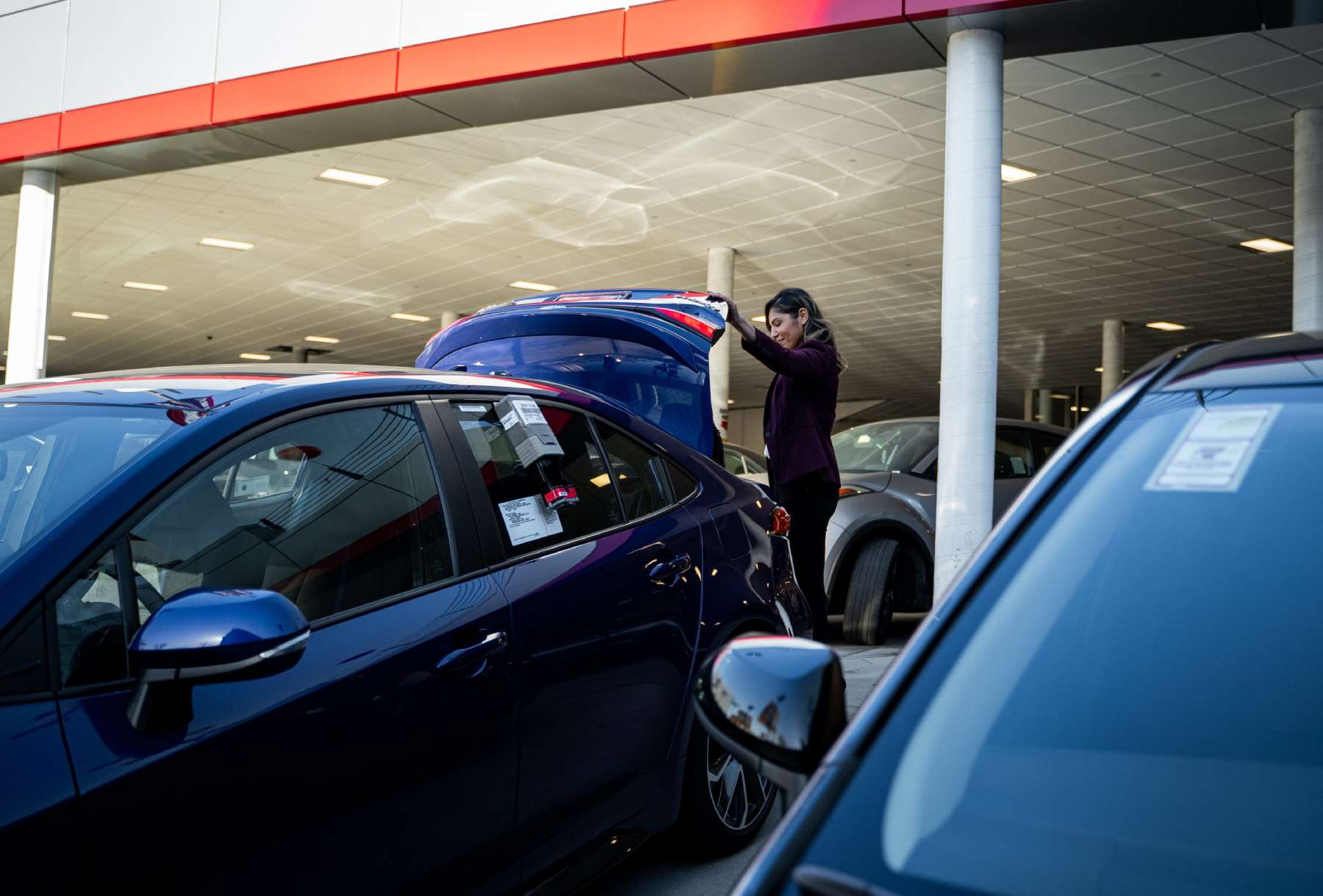
The Growing Popularity of Hybrid and Electric Cars
Let’s take a closer look at hybrid and electric vehicles. They’re not just trendy—they’re an innovative, cleaner way to drive around. Electric vehicles, or EVs, produce zero emissions (yes, ZERO), while hybrid cars, which are part gas and part electric, still cause significantly less pollution than your old-school gas-consuming car.
Think about it: every time you drive a traditional gasoline-powered vehicle, you’re pumping carbon dioxide and other pollutants into the atmosphere. Electric vehicles are the ideal replacement, allowing you to make a real impact while still enjoying the comfort of your own vehicle.
But let’s be real—it’s not just about saving the environment (though that’s a big deal). The rising cost of fuel is forcing many drivers to rethink their rides.
As gas prices continue to skyrocket, people are realizing that a switch to a hybrid or electric vehicle isn’t just an environmental choice—it’s a wise financial decision.
Governments have caught on, too, offering tax breaks and incentives to encourage more people to make the switch. Sure, the upfront cost of a hybrid or EV might be on the higher side, but they cost less to run and maintain in the long run due to fewer moving parts.
Why a Used Hybrid Car or EV Makes Total Sense
You might be wondering: if hybrid cars and EVs really are that beneficial, why aren’t more people driving them? The answer is simple – the higher price tag. That’s where used hybrid cars and EVs drive in to save the day.
Buying a brand-new hybrid car or EV isn’t an affordable option, but if you opt for the used route, it’s a whole different story. You get all the benefits of an EV(cleaner emissions, lower fuel costs, advanced tech) without the exorbitant price tag.
Here’s the deal: Cars depreciate quickly, especially hybrid cars and EVs. Their technology is ever-evolving, so new models start to lose their value as soon as they are driven out of the lot. That’s bad news for the first owner, but it’s great news for you! You can easily buy a relatively new EV model loaded with reliable batteries and cool safety features within your budget.
Additionally, depending on where you live, governments want you to buy these cars. Think tax breaks, lower registration fees, and other perks such as savings on maintenance and fuel.
Let’s not forget about potential long-term savings. Electric vehicles can be plugged into home charging systems, so you will no longer have to worry about pricey trips to the gas station.
If you’re considering buying a used hybrid car or EV, don’t just grab the first deal you see. Here are some important factors to keep in mind before you pick your electric car.
Do Your Homework
There are a few things you’ll want to check before signing on the dotted line. After all, investing in a used car will only prove to be beneficial for you if the vehicle is in good shape!
Battery Health:
The battery is THE most essential part of a hybrid or electric car. Ensure it’s in good shape, ask for a diagnostic report from the seller, and don’t forget to factor in future replacement costs if necessary.
Batteries in hybrid and electric cars can last a long time. However, it is important to note that they will lose efficiency over time and factor in this cost for the future.
Maintenance Records:
Before buying a used hybrid car or EV, you want to ensure that it has been treated well with regular servicing and has had no major accidents. Ask to see the service history and check the mileage, too—a higher mileage will naturally indicate more chances of wear and tear, especially on the battery and electric motor.
Charging Options:
If you’re leaning toward a fully electric car, make sure there are enough charging stations near your home, workplace, and other areas you frequent. It’s less of a deal-breaker for hybrids, but the charging infrastructure of your town is still something to keep in mind.
The Road Ahead: Why the Future Is Electric
Here’s the thing: Hybrid and electric cars aren’t just a new trend—they’re the future. With the world finally waking up to the reality of climate change, more people are making eco-friendly choices.
Globally, the electric vehicle market is projected to continue its upward trajectory. In the United States, the market is expected to grow by 10.54% annually from 2025 to 2029, reaching a volume of $156.3 billion by 2029.
And the best part? Hybrid and EV technology is improving by the day. Batteries are becoming more efficient, costs are dropping, and governments are taking active decisions to make these cars more accessible.
So, if you’re still on the fence, consider this: Whether your goal is to save the planet or simply save yourself a solid buck, a hybrid or electric car (particularly a used one) is the right move.
With electric and hybrid cars becoming more affordable and accessible, it’s only a matter of time before they take over the roads. The future is electric, and the sooner you make the switch, the better. So why wait? Make the smart choice today with Max Drive Auto Sales!
Navigating the used car market isn’t just about choosing a car. It also requires choosing the right seller.
Have you ever wondered why so many people swear by used cars? Well, it’s not just about saving a significant amount of money—there’s a whole world of benefits that come with opting for a pre-owned vehicle. And when it comes to budget-conscious buyers, the advantages are truly immense, ranging from lower costs to a wide range of choices. But that’s just scratching the surface. So, let’s dive deeper into why buying a used car is not only a smart financial move but also a practical one.

Significant Cost Savings
When you’re working with a tight budget, every dollar counts. Used cars are quite cheaper than new ones—often by thousands of dollars. A brand-new car depreciates when it leaves the lot, losing up to 20% of its value within the first year. By choosing a used car, you let someone else take that initial depreciation hit, allowing you to own a quality vehicle without overpaying.
Lower Registration Fees and Taxes
Did you know that older cars often have reduced registration fees and taxes? Many states base these fees on the car’s age and value, so the older the car, the less you pay. This small detail can save you hundreds of dollars annually—savings that can go toward other priorities or even future car maintenance.
A Wider Range of Choices
Shopping for a used car opens a treasure trove of options. You’re not limited to the latest models—you can explore makes and models from previous years that may better suit your needs. Whether you’re looking for a reliable sedan, a family-friendly SUV, or a sporty convertible, the used car market offers a diverse selection, often at prices well below new car equivalents.
Avoiding the Sting of Depreciation
Depreciation can be a budget-buster when buying new. As mentioned earlier, new cars lose a substantial portion of their value quickly—up to 60% over five years. With a used car, most of the depreciation has already occurred, meaning you’re purchasing at a more stable value. This advantage becomes especially important if you plan to resell or trade in the car later.
Certified Pre-Owned Programs
Worried about the reliability of used cars? Enter certified pre-owned (CPO) programs. These vehicles are thoroughly inspected, refurbished, and backed by warranties, often comparable to new cars. Buying a CPO car gives you peace of mind while still enjoying the cost benefits of purchasing used. It’s the best of both worlds—a quality vehicle at a fraction of the price.
Lower Insurance Costs
Insurance premiums are another area where buying used can save you money. Insurers typically calculate premiums based on the car’s current value, meaning older cars cost less to insure. Additionally, you may have the option to forego expensive add-ons like gap insurance, further reducing your monthly expenses.
Room for Negotiation
Used car prices often leave room for negotiation. Unlike new cars with fixed pricing, sellers of used cars are generally more open to offers. If you’re good at haggling—or even willing to try—you can secure a better deal, maximizing your savings and getting the most value for your money.
Eco-Friendly Option
Buying a used car is not only budget-friendly but also environmentally conscious. Manufacturing a new car consumes significant resources and energy. By choosing a pre-owned vehicle, you’re extending its life cycle and reducing the demand for new production, lowering your carbon footprint.
Access to Vehicle History Reports
Thanks to modern technology, you can easily access detailed vehicle history reports before purchasing. Services like autoDNA provide insights into a car’s maintenance history, previous ownership, and accident records. This transparency empowers you to make an informed decision—no guesswork is needed.
Affordability of Luxury Models
Have you always dreamed of owning a luxury car but thought it was out of reach? The used market makes premium brands more accessible. You can find well-maintained models from brands like BMW, Audi, or Lexus at prices comparable to mid-range new cars. This allows you to enjoy top-tier features without breaking the bank.
Easier Loan Terms
Financing a used car is often simpler and less expensive. Since used cars are cheaper, the loan amounts are smaller, leading to lower monthly payments. Additionally, many lenders offer competitive interest rates for used car loans, making it easier for budget-conscious buyers to afford their dream vehicle.
Immediate Availability
When you buy a new car, you may have to wait weeks or even months for it to be delivered—especially if you’ve customized your order. With used cars, what you see is what you get. You can drive off the lot the same day, saving time and hassle.
Proven Reliability
A used car’s track record speaks for itself. By researching online reviews and consumer reports, you can identify models known for their longevity and dependability. Some vehicles are renowned for running smoothly even after 200,000 miles—a testament to their quality and durability.
Potential for Classic or Unique Finds
If you value character and uniqueness, the used car market can be a goldmine. You might stumble upon a rare or classic model that stands out from the crowd. These gems often have a timeless appeal, making your purchase not just practical but also a source of pride.
Lower Overall Ownership Costs
In addition to saving on the purchase price, used cars often come with lower overall ownership costs. From insurance premiums to registration fees and even repair costs, owning a used car can be more affordable in the long run. Plus, since parts for older models are often readily available, maintenance is usually simpler and cheaper.
In conclusion, making a smart financial decision doesn’t mean settling for less. Choosing a used car offers a perfect balance of value, reliability, and variety—especially for budget-conscious buyers. Maxdrive Auto Sales, located in Fort Myers, Florida, is here to help you find the ideal vehicle. With a reputation for quality and customer satisfaction, we ensure you drive away with confidence. So, why wait? Visit us today to explore our diverse selection of used cars and make your dream a reality.
Navigating the used car market isn’t just about choosing a car. It also requires choosing the right seller.
You can buy a used car from either used car dealers or a private owner. Both offer distinct advantages and disadvantages.
This article clarifies the differences between these two seller types, outlining their respective pros and cons. The information in this blog post will help you to make a confident and informed decision regarding a used car purchase.
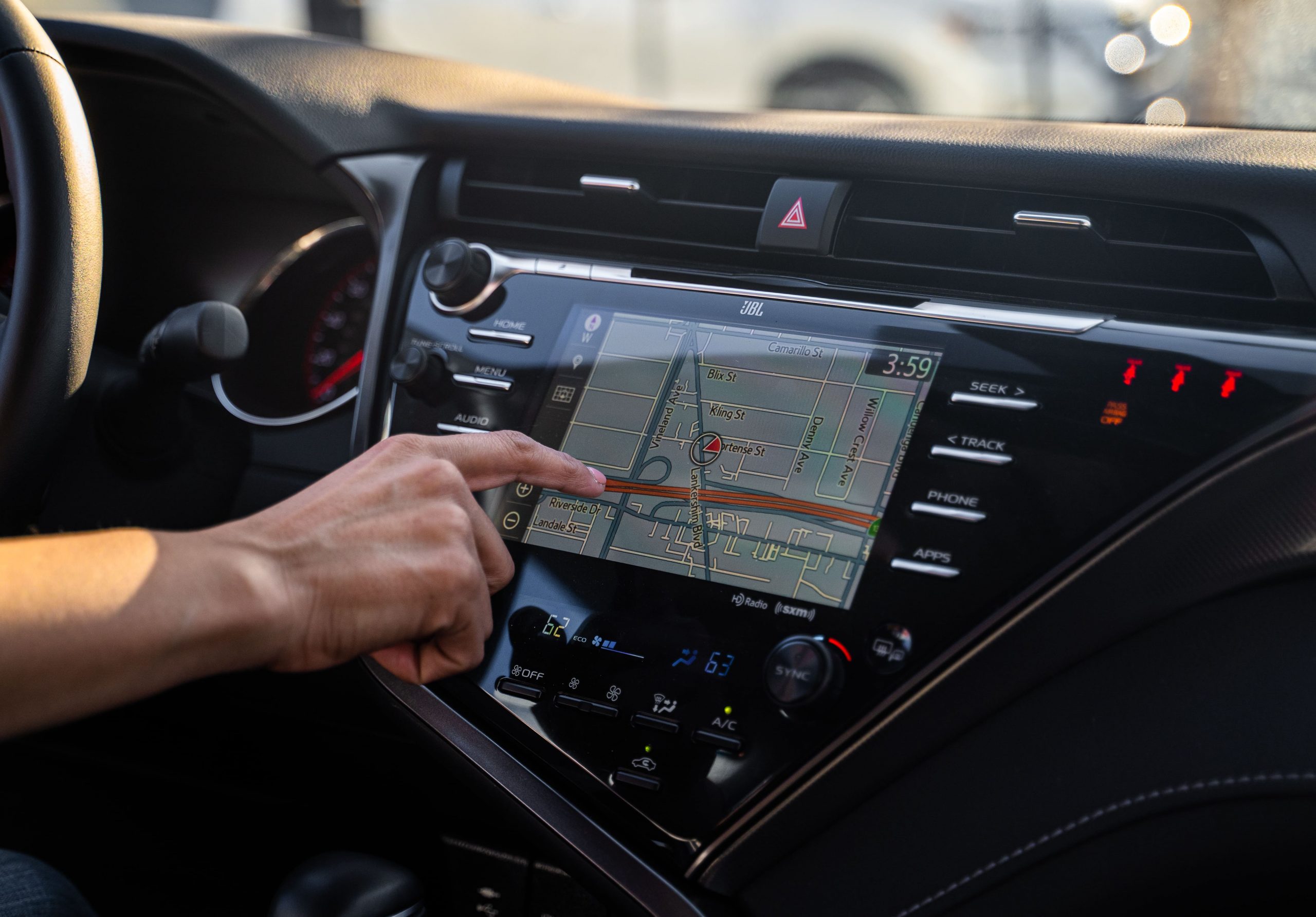
Wide Selection of Vehicles
Used car dealerships are treasure troves of diverse vehicle options. Unlike new car dealerships that primarily offer the latest models, used car lots feature a wide array of makes and models, including discontinued lines or unique specifications that you won’t find in the current market. This variety not only broadens your choices but also increases the chance of finding a car that truly fits your needs.
Difference Between a Used Car Dealer vs Private Owner Used Cars
Used car dealers provide a convenient and centralized location to explore a variety of makes and models. They often have a wide selection of vehicles, allowing you to compare options and find a car that meets your needs. Furthermore, dealerships typically handle the paperwork and legal aspects of the transaction, streamlining the buying process.
Many used car dealers offer financing options, enabling you to purchase a car even if you don’t have the full amount upfront. They may also provide warranties or service contracts, offering additional protection and peace of mind. Moreover, dealerships often have service centers that can handle maintenance and repairs, ensuring your vehicle stays in good condition.
However, buying from a used car dealer can sometimes be more expensive than buying from a private owner. Dealerships have overhead costs, such as rent, utilities, and staff salaries, which they factor into the price of their vehicles. Additionally, some dealerships may employ aggressive sales tactics or pressure you into making a quick decision.
Private Owner Used Cars: Benefits and Drawbacks
Private owner-used cars often come with lower price tags than those at dealerships. Since private sellers don’t have the same overhead costs as dealerships, they can often offer more competitive prices.
When you buy from a private owner, you can learn about the car’s history directly from the person who owned and drove it. This can provide valuable insights into the car’s condition, maintenance records, and any unique features or quirks. Furthermore, negotiating with a private seller can be more flexible and less pressured than dealing with a dealership.
However, buying used cars from private owners can also present some challenges. Private sellers typically don’t offer financing options, so you’ll need to secure funding independently. Additionally, they usually don’t provide warranties or service contracts, leaving you responsible for any repairs or maintenance after the purchase. The buying process may also involve more paperwork and legalities you’ll need to handle yourself.
Choosing the Right Seller: Factors to Consider
When deciding between a used car dealer and a private owner, consider your priorities and individual circumstances. If convenience, a wide selection, and financing options are important to you, a dealership might be the better choice. However, if you prioritize affordability and a more personal buying experience, buying from a private owner might be more suitable.
Assess your comfort level with handling paperwork and legal procedures. If you prefer a streamlined process with less personal involvement, a dealership can handle these aspects for you. However, if you’re comfortable managing the paperwork and legalities yourself, buying from a private owner can offer greater flexibility and potential cost savings.
Consider your mechanical knowledge and ability to assess a car’s condition. A dealership might provide more assurance with certified pre-owned programs or warranties if you’re unsure about evaluating a car’s mechanical integrity . However, if you’re confident in your ability to assess a car’s condition or have a trusted mechanic who can help, buying from a private owner can be a viable option.
Research and Due Diligence: Essential Steps
Regardless of whether you choose a used car dealer or a private owner, conducting thorough research and due diligence is crucial. Before visiting a dealership or meeting with a private seller, research the make and model you’re interested in. Understand its common issues, reliability ratings, and typical market value.
When dealing with a used car dealer, inquire about their reputation and customer reviews. When considering private owner-used cars, ask the seller for maintenance records and vehicle history reports. Verify the information they provide and conduct an independent inspection if necessary.
By taking the time to research and verify information, you can minimize the risk of encountering problems with your purchase and make an informed decision.
Protecting Your Interests: Legal Considerations
When buying a used car, protect your interests by understanding the legal aspects of the transaction. If you’re buying from a used car dealer, review the sales contract carefully before signing.
When buying privately owned used cars, ensure the seller has the legal right to sell the vehicle. Verifying the car’s title is clear and free of any lines or encumbrances. Consider having a bill of sale that outlines the terms of the purchase and protects both parties.
In some cases, you might want to consult with an attorney or legal professional to review the paperwork and ensure a legally sound transaction. Knowing the legal considerations will help you protect yourself from potential issues and ensure a smooth and secure purchase.
Conclusion: Making the Right Choice
The decision between a used car dealer and a private owner is a personal one. There’s no one-size-fits-all answer, as the best choice depends on your individual needs, preferences, and circumstances.
Reach out to our team at Maxdrive Auto Sales in Myers, FL, for assistance in finding a reliable used car that fits your needs.
We understand the importance of finding the right car and are dedicated to helping you make an informed choice. Our selection of dependable used vehicles is available for you to explore. Let us assist you in selecting a car that suits your needs and budget.
When you’re in the market for a car, the allure of shiny new models on pristine dealership floors can be strong. But there’s another option that might not initially grab the spotlight yet offers substantial benefits—the used car dealership. If you’re looking to get the most out of your valuable automotive investment, buying used is an avenue worth exploring. So, without further ado, let’s dive into why choosing a used car dealership could be the smartest decision you make in your car-buying journey.

Wide Selection of Vehicles
Used car dealerships are treasure troves of diverse vehicle options. Unlike new car dealerships that primarily offer the latest models, used car lots feature a wide array of makes and models, including discontinued lines or unique specifications that you won’t find in the current market. This variety not only broadens your choices but also increases the chance of finding a car that truly fits your needs.
Lower Prices Compared to New Cars
It’s no secret that new cars depreciate the moment they leave the lot. In contrast, used cars have already undergone significant depreciation, which means they are priced more affordably from the get-go. This significant price difference can mean thousands of dollars saved, allowing you to stretch your budget further or perhaps even step up to a nicer model than you could afford brand new.
Access to Certified Pre-Owned Cars
Many used car dealerships offer certified pre-owned (CPO) vehicles. These cars have been rigorously tested and certified by the manufacturer or other recognized certifying bodies, ensuring they meet high standards. CPO vehicles often come with extended warranties and additional benefits, like roadside assistance and special financing options, offering new-car peace of mind at a used-car price.
Comprehensive Vehicle History Reports
Reputable used car dealerships provide comprehensive vehicle history reports, which detail past ownership, accident history, service records, and more. These detailed reports empower you to make well-informed decisions, helping you steer clear of potential lemons. By understanding a car’s history before you buy, you ensure that you’re investing in a vehicle that meets your expectations and needs.
Opportunity for Test Drives
Test driving is critical to choosing any vehicle. Used car dealerships typically offer relaxed, no-pressure test drives, allowing you to truly get a feel for how a car drives and operates on the road. This hands-on experience ensures the vehicle meets your expectations in terms of performance, comfort, and safety before you commit to buying, making it an essential step in the buying process.
Financing Options Available
Used car dealerships often boast robust financing networks and options that can compete with those offered by new car dealers. Regardless of your credit situation—whether you have perfect credit, bad credit, or no credit at all—these used car dealerships can usually find a financing solution that works especially for you. They often provide lower interest rates than those typically found with new cars.
Warranties and Extended Protection Plans
To sweeten the deal, used car dealerships frequently offer warranties or extended protection plans. These plans can shield you from the costs of unexpected, expensive repairs, enhancing the safety and reliability of your purchase over the long term. Opting for these warranties or protection plans can provide peace of mind, making your investment in a used car feel more secure and worthwhile.
Ability to Trade In Your Current Vehicle
Trading in your current vehicle can significantly reduce the price of your next car. Most used car dealerships are eager to offer trade-in deals that streamline the buying process and reduce your financial burden. These trade-in options allow you to transition smoothly from your old car to a new one while keeping costs manageable, offering a practical solution for budget-conscious buyers.
Negotiation on Pricing
The price tags at dealerships are not always set in stone. There’s often room to negotiate, which can lead to a better deal. With the right negotiation skills, you could drive away with a bargain.
Thorough Vehicle Inspection and Certification
Many used car dealerships inspect and certify their vehicles before putting them on sale. This ensures that each car is in good condition and safe to drive, which can provide additional peace of mind.
Flexible Payment Plans
If you need a bit more flexibility in your monthly or quarterly payment schedule, many used car dealerships offer customizable payment plans. These plans are tailored to fit various budgets and payment preferences, providing an opportunity for you to manage your finances more comfortably and effectively without compromising on the quality of the vehicle you can completely afford.
No Hidden New Car Fees
When you buy new, you often face additional fees—destination fees, shipping charges, dealer preparation fees, and more. With used cars, the price you see is more likely to be the price you pay
Expert Salesperson Guidance
Experienced salespeople at used car dealerships can offer invaluable advice. They can guide you through the maze of options and help you find the best car that fits your lifestyle and budget.
Support with Vehicle Registration and Documentation
Handling the paperwork involved in car buying can be daunting. Used car dealerships often assist with vehicle registration and documentation, simplifying the process and saving you time and stress.
Post-Purchase Services and Maintenance Packages
After you drive off the lot, many used car dealerships continue to support you through service and maintenance packages. These unique packages are designed to keep your vehicle in top shape without the high costs typically associated with servicing newer models. Such ongoing support ensures your car runs smoothly and remains reliable—essential for maximizing your investment.
In conclusion, choosing a used car dealership like Maxdrive Auto Sales in Fort Myers means more than just getting a good deal on a car—it’s about making a smart, informed, and budget-friendly automotive investment. With our wide selection, robust customer support, and dedicated service, we’re here to ensure you feel confident and satisfied with your purchase. Stop by Maxdrive Auto Sales today and let us help you find the perfect pre-owned vehicle that suits all your needs.